Introduction
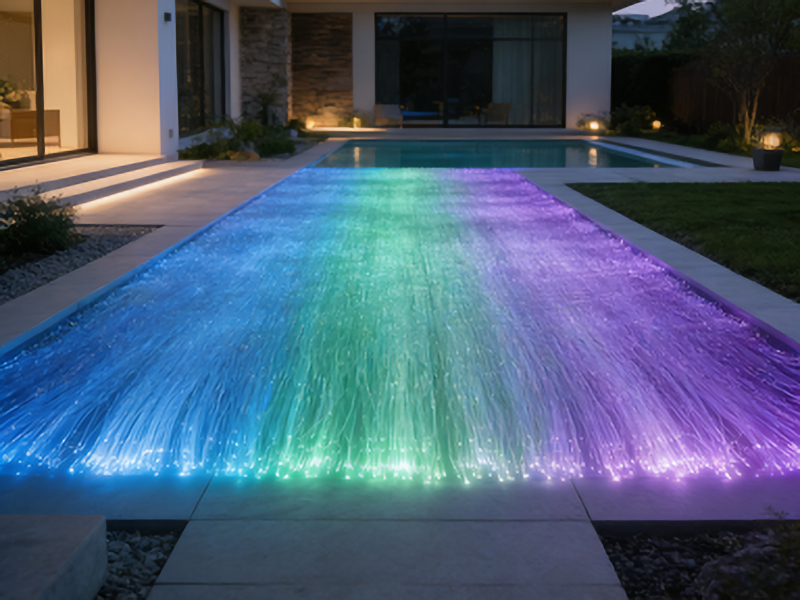
Optical fiber decoration engineering is a groundbreaking field that combines the precision of fiber optics with creative design to enhance interior and exterior aesthetics. This technology not only illuminates spaces but also transforms them into visually stunning environments. In this article, we will explore the principles, applications, and benefits of optical fiber decoration engineering, providing insights into how it is revolutionizing modern architecture.
The Basics of Optical Fiber Decoration Engineering
Optical fiber decoration engineering leverages the unique properties of optical fibers to create intricate lighting designs. Unlike traditional lighting systems, optical fibers allow for precise control over light distribution, enabling customizable illumination patterns that adapt to various architectural needs.
Key Components
1. Optical Fibers: These are flexible, hair-thin strands of glass or plastic capable of transmitting light over long distances with minimal loss. They come in different types:
– Step-Index Fibers: Ideal for short-distance applications due to their high numerical aperture (NA), which determines the fiber’s ability to capture and transmit light.
– Graded-Index Fibers: Suitable for longer distances, offering better performance by gradually varying the refractive index across the core.
2. Light Sources: LED lights are commonly used due to their energy efficiency and wide color spectrum. The choice of light source impacts the overall brightness (measured in lumens) and color temperature (measured in Kelvin).
3. Optical Connectors and Adapters: These ensure a secure connection between fibers, minimizing signal loss and ensuring optimal light transmission.
4. Fiber Optic Cables: Encased in protective layers to prevent damage from environmental factors like moisture and mechanical stress.
Technical Parameters
– Numerical Aperture (NA): Ranges typically from 0.2 to 0.7, with higher values allowing more light to enter the fiber but reducing bandwidth.
– Attenuation: Measured in decibels per kilometer (dB/km), attenuation refers to the reduction of光信号强度 as it travels through the fiber. Lower attenuation is preferable for longer distances.
– Core Diameter: Varies from 50 to 62.5 micrometers, affecting signal transmission and connectivity options.
Applications in Decoration Engineering
Optical fiber decoration engineering finds application across various sectors:
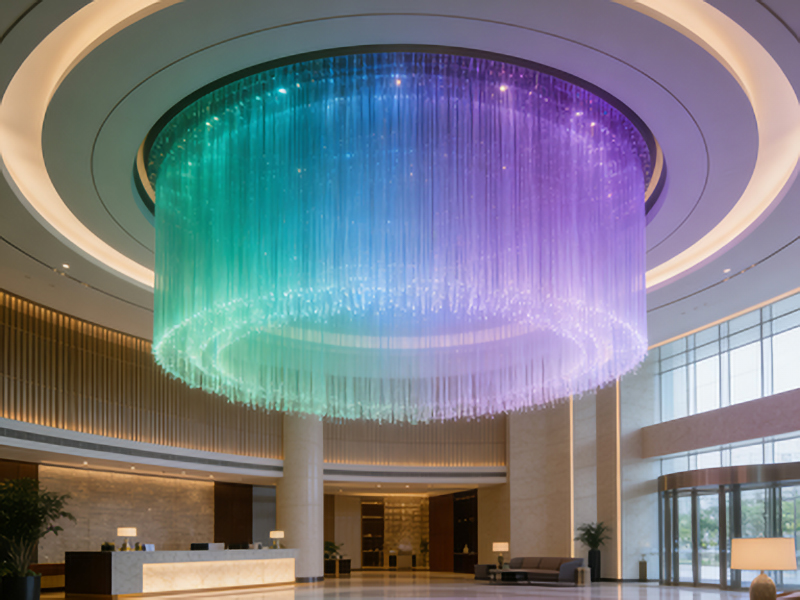
1. Interior Design: Used in creating decorative lighting effects such as glowing patterns on walls, ceilings, and floors. For instance, fiber optics can be embedded into countertops to create elegant under-cabinet lighting.
2. Exterior Lighting: Ideal for accentuating architectural features like facades, bridges, and monuments. The low power consumption of LEDs makes them particularly suitable for large-scale installations.
3. Theater and Stage Lighting: Enables dynamic, programmable lighting effects that enhance visual storytelling in performances.
4. Automotive Industry: Incorporated into vehicle interiors to provide ambient lighting solutions that are both stylish and energy-efficient.
Benefits of Optical Fiber Decoration Engineering
– Energy Efficiency: LED-based systems consume significantly less power compared to traditional lighting methods, contributing to reduced operational costs and environmental impact.
– Long Lifespan: With an average lifespan of 50,000 hours, optical fiber systems require minimal maintenance, reducing downtime and replacement expenses.
– Design Flexibility: The slim profile of optical fibers allows for seamless integration into various surfaces and structures without compromising aesthetic appeal.
– Safety: Fiber optics operate at low voltages, making them safer to install and use in both indoor and outdoor environments.
Challenges and Considerations
While optical fiber decoration engineering offers numerous advantages, there are challenges that must be addressed:
1. Installation Complexity: Proper installation requires skilled technicians to ensure optimal performance and longevity of the system.
2. Cost: Initial investment can be high due to the specialized components involved. However, long-term savings from energy efficiency often offset these costs.
3. Maintenance: While fibers are durable, they may require occasional cleaning or replacement if damaged, especially in harsh environmental conditions.
4. Compatibility: Ensuring that all components (fibers, connectors, light sources) are compatible is crucial for seamless operation.
Conclusion
Optical fiber decoration engineering represents a fusion of technology and creativity, offering innovative solutions to modern aesthetic challenges. By understanding its principles, applications, and benefits, professionals can harness this technology to create stunning, energy-efficient lighting designs that enhance any space. As advancements continue, optical fiber systems will undoubtedly play an increasingly important role in both residential and commercial decoration engineering.