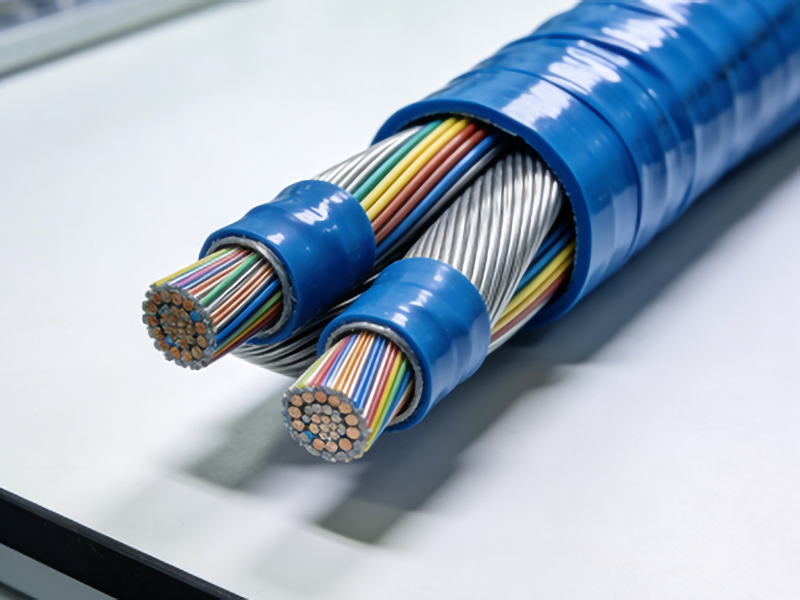

Methyl Methacrylate Polymerized Optical Fiber: An In-Depth Exploration

Introduction
Methyl methacrylate (MMA) polymerized optical fiber is an advanced material that has gained significant attention in the field of telecommunications and data transmission. This type of optical fiber utilizes MMA as a key component in its construction, offering unique properties that make it suitable for various applications.
What is Methyl Methacrylate Polymerized Optical Fiber?
MMA polymerized optical fiber is a type of polymer-based optical fiber (POF) where MMA serves as the core material. The polymerization process involves the conversion of MMA monomers into a polymeric state, resulting in a transparent and flexible material ideal for light transmission.
Key Features and Benefits
1. High Transparency: The MMA-based core ensures minimal light attenuation, allowing efficient data传输 over long distances.
2. Flexibility: Unlike traditional silica-based optical fibers, MMA polymerized fibers are highly flexible, making them easier to install in various environments.
3. Cost-Effective: Polymer-based fibers are generally more affordable to produce compared to their silica counterparts, reducing overall deployment costs.
4. Resistance to Environmental Factors: MMA polymerized fibers exhibit good resistance to temperature fluctuations and moisture, ensuring reliable performance in diverse conditions.
5. Ease of Use: The flexibility and durability of these fibers make them user-friendly for installation and maintenance.
Technical Specifications
– Core Material: Methyl methacrylate (PMMA)
– Cladding Material:通常使用硅基材料或其他聚合物以实现低折射率
– Attenuation: Approximately 0.1 dB/km at 650 nm wavelength
– Numerical Aperture (NA): Typically around 0.5, indicating a wide acceptance angle for efficient light capture.
– Temperature Range: Can operate effectively between -40°C and +80°C
– Tensile Strength: Up to 100 MPa, ensuring durability under stress.
Applications
Methyl methacrylate polymerized optical fibers find application in a variety of fields due to their unique properties:
1. Telecommunications: Used in Passive Optical Networks (PON) for efficient data transmission over short to medium distances.
2. Sensing Technologies: Employed in fiber optic sensors for monitoring temperature, strain, and other environmental parameters.
3. Medical Devices: Utilized in endoscopes and other medical imaging equipment due to their flexibility and high resolution.
4. Industrial Automation: Integrated into industrial networks for reliable data communication in harsh environments.
5. Automotive Industry: Applied in vehicle networking systems for data transmission within cars.
Advantages Over Traditional Silica Fibers

– Lower Cost: Polymer fibers are more economical to produce, making them suitable for cost-sensitive applications.
– Ease of Installation: The flexibility and durability of MMA polymerized fibers reduce the complexity and cost of installation.
– Improved Performance in Harsh Conditions: Better resistance to temperature and moisture compared to silica fibers, ensuring consistent performance.
Challenges and Limitations
Despite their advantages, MMA polymerized optical fibers also face certain challenges:
1. Higher Attenuation Compared to Silica Fibers: While attenuation is acceptable for short-distance applications, it limits their use in long-haul networks.
2. Limited Bandwidth: Polymer fibers generally have a lower bandwidth compared to silica-based ones, restricting their use in high-speed data transmission.
3. Susceptibility to UV Light: Prolonged exposure to UV light can degrade the optical properties of MMA polymerized fibers over time.
The Future of MMA Polymerized Optical Fibers
The future of MMA polymerized optical fibers looks promising as advancements in material science continue to enhance their performance. Potential developments include:
1. Improved Attenuation Characteristics: Research into new materials and manufacturing techniques aims to reduce attenuation, expanding their use in longer networks.
2. Increased Bandwidth Capabilities: Innovations in fiber design could lead to higher bandwidths, making them more suitable for high-speed data applications.
3. Enhanced UV Resistance: Development of UV-resistant coatings or core materials to extend the lifespan and reliability of these fibers.
Conclusion
Methyl methacrylate polymerized optical fiber represents a significant advancement in optical communication technology. Its unique properties, such as flexibility and cost-effectiveness, make it an attractive option for various applications across industries. While there are challenges to overcome, ongoing research and development promise to further enhance its capabilities, solidifying its role in the future of telecommunications and data transmission.