
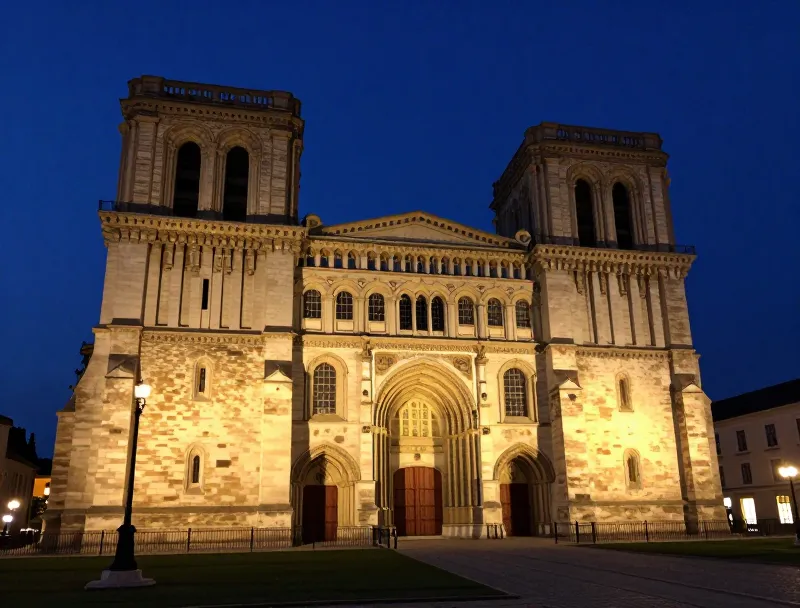
Comprehensive review of POF lighting. Explore how POF (Plastic Optical Fiber) lighting enhances historical sites, blending aesthetics with energy efficiency for cultural heritage preservation.
Introduction
The illumination of historical sites is a delicate balance between preserving the integrity of these landmarks and enhancing their visual appeal. Enter Plastic Optical Fiber (POF), a cutting-edge technology that is revolutionizing how we light up our heritage sites. This article delves into the application, benefits, and technical aspects of POF in historical site illumination.
What is POF?
Plastic Optical Fiber (POF) is an innovative lighting solution that uses plastic fibers to transmit light from a source to the desired location. Unlike traditional copper wires, POF is lightweight, flexible, and highly efficient in transmitting light with minimal loss. This makes it ideal for applications where space is limited or where flexibility is required.
Technical Parameters of POF
When considering POF for historical site illumination, several technical parameters must be taken into account:
1. Core Diameter: The core diameter determines the amount of light that can be transmitted. A larger core allows more light but may reduce resolution, making it suitable for general lighting rather than precise applications.
2. Cladding Thickness: This layer surrounds the core and ensures total internal reflection of light. Thicker cladding reduces light loss but increases the overall diameter of the fiber.
3. Attenuation: Measured in decibels per kilometer (dB/km), attenuation indicates how much light is lost as it travels through the fiber. Lower attenuation means better efficiency over longer distances.
4. Numerical Aperture (NA): NA determines the acceptance angle of light into the fiber. A higher NA allows more light to enter but can result in a less focused beam, which may not be ideal for intricate lighting designs.
5. Temperature and Humidity Resistance: Since historical sites often have varying environmental conditions, POF materials must withstand temperature fluctuations and humidity without degrading performance.
Advantages of Using POF in Historical Sites
1. Aesthetic Enhancement: POF allows for precise control over light distribution, enabling the creation of dynamic lighting effects that highlight architectural features while minimizing glare and shadows.
2. Energy Efficiency: By transmitting light with minimal loss, POF systems consume less energy compared to traditional lighting solutions. This aligns with global efforts towards sustainable tourism and heritage preservation.
3. Flexibility and Durability: The lightweight and flexible nature of POF makes it easy to install in hard-to-reach areas within historical sites. Additionally, POF is resistant to corrosion and mechanical damage, ensuring long-term reliability.
4. Cost-Effective: Despite the initial investment, POF systems offer significant savings over time through reduced energy consumption and lower maintenance costs.
5. Cultural Sensitivity: Unlike invasive electrical wiring, POF installations are minimally intrusive, preserving the historical integrity of the site while providing modern lighting capabilities.
Applications of POF in Historical Sites
– Facade Lighting: Illuminate the exterior of historical buildings to showcase their architectural details during nighttime.
– Interior Accent Lighting: Highlight specific areas or artifacts within museums and historical interiors without causing damage from heat or UV radiation.
– Pathway Lighting: Provide safe, elegant lighting for visitor pathways while maintaining the site’s historical ambiance.
Case Study: POF Illumination at the Acropolis
The Acropolis in Athens has successfully implemented POF lighting to enhance its ancient structures. The system uses LED light sources combined with POF fibers to deliver a soft, even glow that illuminates the marble surfaces without causing discoloration or damage. This application not only preserves the site’s integrity but also offers visitors an unforgettable nighttime experience.
Technical Implementation Considerations
When planning a POF-based illumination system for historical sites, several factors must be considered:
– Light Source Selection: LEDs are preferred due to their long lifespan, energy efficiency, and ability to produce a wide range of color temperatures. For historical sites, choosing the right color temperature is crucial to accurately represent the site’s original appearance under different lighting conditions.
– Fiber Optic Network Design: Proper design ensures that light distribution meets both aesthetic and functional requirements. This includes determining the optimal number of fibers, their placement, and the routing to avoid damage or interference with historical artifacts.
– Integration with Existing Systems: POF systems should be designed to integrate seamlessly with existing infrastructure, minimizing disruption while maximizing efficiency.
– Maintenance and Monitoring: Regular maintenance ensures that the system operates at peak performance. Advanced monitoring systems can provide real-time data on light output, fiber condition, and energy consumption, allowing for proactive maintenance and adjustments.
Challenges and Solutions
1. Initial Investment Costs: While POF offers long-term savings, the upfront costs can be a barrier. To address this, governments and cultural organizations can seek funding through grants or partnerships with technology providers.
2. Installation Complexity: Installing POF systems in historical sites requires precision to avoid damaging delicate structures. Hiring experienced installers who specialize in heritage site installations is essential.
3. Light Color and Temperature Control: Ensuring that the lighting accurately represents the historical site’s intended ambiance under varying conditions can be challenging. Using tunable LED sources with precise color control helps mitigate this issue.
Conclusion
Plastic Optical Fiber (POF) illumination represents a significant advancement in the preservation and enhancement of historical sites. By combining energy efficiency, aesthetic flexibility, and minimal intrusion, POF offers an ideal solution for lighting our cultural heritage. As technology continues to evolve, we can expect even more innovative applications that further support the protection and appreciation of these invaluable landmarks.
Further Reading
– [Understanding LED Lighting in Heritage Preservation](#)
– [Energy Efficiency in Cultural Sites: A Guide](#)
– [Case Studies in POF Applications for Historic Architecture](#)