
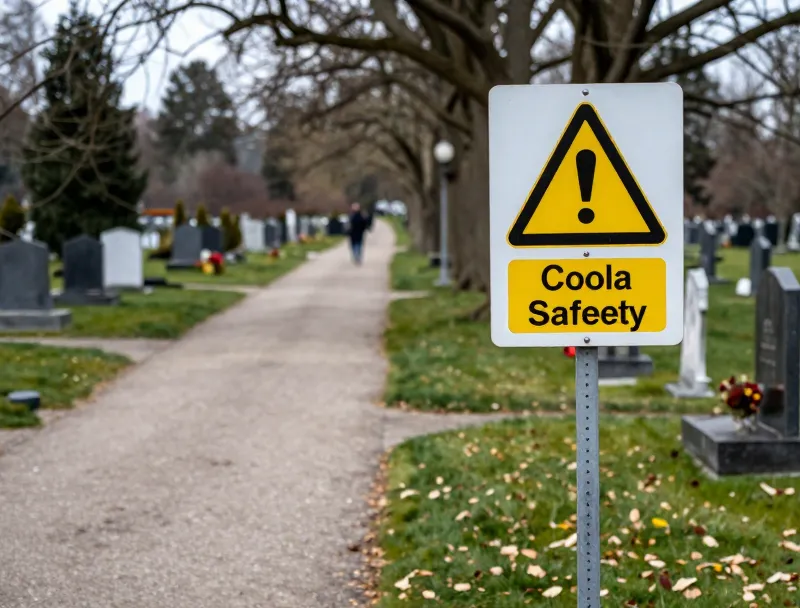
Comprehensive review of cemetery maintenance. Learn about cemetery path safety, including risk assessment, POF analysis, and best practices for maintaining safe environments. Ensure visitor well-being with practical solutions.
Introduction
Cemeteries are places of reflection and remembrance, but they also serve as public spaces where visitors of all ages and abilities come to pay their respects. Ensuring the safety of these paths is crucial not only for the comfort of visitors but also to uphold the solemnity of the location. Path Of Failure (POF) analysis plays a pivotal role in identifying potential hazards and implementing preventive measures.
Understanding POF Analysis in Cemetery Paths
Path Of Failure, or POF, is an analytical method used to identify how failures can occur in a system or structure. In the context of cemetery paths, it involves mapping out every possible point where a visitor could trip, slip, fall, or experience discomfort. By systematically evaluating these points, maintenance teams can prioritize fixes and allocate resources effectively.
Key Components of POF Analysis
1. Trip Hazards: Uneven paving stones, tree roots protruding above ground, or gaps between slabs are common trip hazards.
2. Slip Hazards: Wet surfaces, especially after rain or snow, can be dangerous. Moss and algae growth on stones also contribute to slipperiness.
3. Fall Hazards: Loose gravel, uneven terrain, and poorly maintained walkways can lead to falls, particularly among elderly visitors.
4. Erosion Points: Areas where soil is eroding can create unstable ground, making paths unsafe over time.
5. Lighting Issues: Poorly lit paths can hide hazards, increasing the risk of accidents after dark.
Conducting a POF Analysis
To conduct an effective POF analysis for cemetery paths, follow these steps:
1. Site Inspection
Begin with a thorough inspection of all pathways. Look for uneven surfaces, missing or loose pavers, and areas where vegetation encroaches on the walkway.
2. Risk Assessment
Catalog each potential hazard based on its severity and likelihood of causing harm. For example, a narrow path flanked by overgrown bushes might pose both tripping and visibility risks.
3. Prioritization
Prioritize fixes starting with the most dangerous hazards. For instance, loose gravel in frequently used areas should be addressed before less trafficked zones.
4. Implementation of Solutions
– Resurfacing: Replace uneven or damaged pavers to create a smooth walking surface.
– Grading and Drainage: Ensure proper drainage to prevent water pooling and reduce slip hazards.
– Landscaping: Trim back vegetation that encroaches on paths and remove tree roots that protrude above ground.
– Lighting Upgrades: Install or repair lighting to improve visibility, especially in areas with known hazards.
5. Ongoing Monitoring
Regularly inspect paths for new hazards and maintain them to prevent deterioration. This proactive approach ensures long-term safety.
Technical Parameters for Cemetery Path Safety
Maintaining safe cemetery paths involves specific technical considerations:
– Surface Evenness: Ensure that the maximum difference between adjacent paving stones is no more than 5mm (0.2 inches) to prevent tripping.
– Drainage Efficiency: Paths should have a gradient of at least 1% to facilitate water runoff and minimize standing water.
– Material Durability: Use weather-resistant materials that can withstand environmental factors like freeze-thaw cycles and heavy foot traffic.
– Lighting Levels: Aim for a minimum illumination level of 5 lux along pathways, with higher levels in areas with known hazards or where activities typically occur after dark.
Best Practices for Visitor Safety
Beyond technical fixes, fostering a safe environment involves:
1. Signage and Communication: Place clear signs warning about potential hazards such as wet surfaces or uneven terrain.
2. Maintenance Schedule: Develop a regular maintenance schedule to address issues before they become dangerous.
3. Visitor Education: Provide guidelines on how visitors can navigate paths safely, especially during inclement weather.
4. Accessibility: Ensure that paths are accessible to all visitors, including those with mobility challenges, by adhering to accessibility standards like the ADA (Americans with Disabilities Act).
Case Study: Successful Implementation
A mid-sized cemetery implemented a comprehensive POF analysis and maintenance plan over six months. They resurfaced 20% of their paths, improved drainage in flood-prone areas, and upgraded lighting along key routes. The result was a 40% reduction in reported accidents and increased visitor satisfaction.
Conclusion
Ensuring the safety of cemetery paths is not just about aesthetics; it’s about respecting the dignity of the place and protecting those who visit. By conducting thorough POF analyses, implementing practical solutions, and maintaining vigilance, cemeteries can provide safe, accessible spaces for reflection.