Understanding Audio Cable Plastic Optical Fiber: A Comprehensive Guide
Introduction
In the ever-evolving landscape of audio technology, achieving high-quality sound transmission has always been a priority. Enter Audio Cable Plastic Optical Fiber (POF), an innovative solution that combines the clarity of optical transmission with the convenience of plastic materials. This guide delves into the world of POF, exploring its benefits, applications, and technical specifications to provide you with a comprehensive understanding.
What is Plastic Optical Fiber?
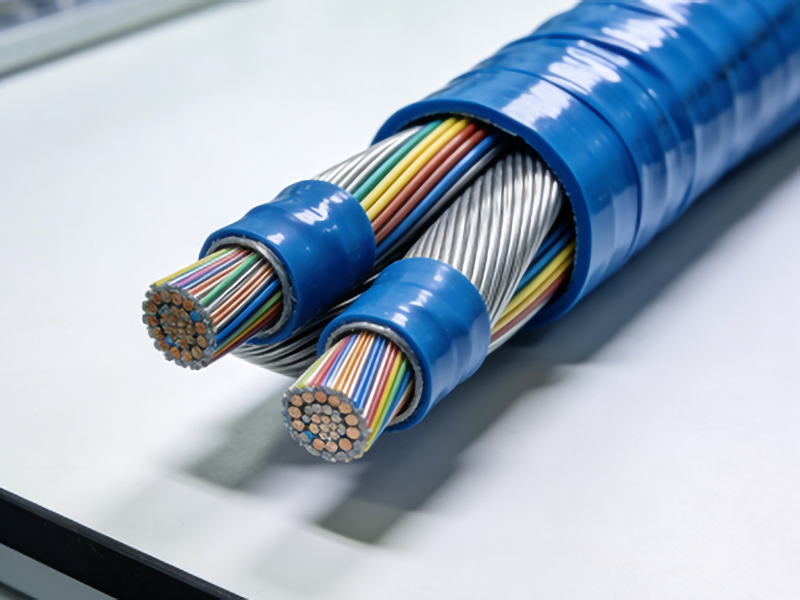
Plastic Optical Fiber (POF) is a type of fiber optic cable that uses plastic as the core material instead of the traditional glass. This makes it more flexible, cost-effective, and easier to handle compared to its glass counterpart. POF technology has found applications in various fields, including telecommunications, automotive electronics, and, increasingly, audio systems.
How Does It Work?
POF works by transmitting light signals through a plastic core. The light is generated by an LED or laser at one end of the cable and travels through the core to the other end. At the receiving end, the light signal is converted back into electrical signals, which are then processed into audio output.
This method of transmission offers several advantages over traditional copper cables:
– Immunity to Electromagnetic Interference (EMI): POF cables do not conduct electricity, making them immune to EMI. This results in cleaner sound without any distortion or noise interference.
– Lightweight and Flexible: The plastic material used in POF makes it lightweight and highly flexible, allowing for easier installation and handling compared to rigid glass fiber optics.
– Cost-Effective: Plastic is cheaper than glass, making POF a more affordable option without compromising on performance.
Technical Specifications of Audio Cable POF
When considering audio cable POF, there are several technical parameters that determine its performance:
1. Bandwidth: The bandwidth of an optical fiber refers to the range of frequencies it can transmit effectively. For high-quality audio, a bandwidth of at least 20 kHz is essential to capture the full spectrum of sound.
2. Attenuation: This measures the reduction in signal strength as light travels through the fiber. Lower attenuation means better signal integrity over longer distances. Typical attenuation for POF is around 1 dB/meter at visible wavelengths.
3. Numerical Aperture (NA): NA determines how much light can enter the fiber. A higher NA allows more light to be transmitted, improving signal strength and quality.
4. Core Diameter: The core diameter of POF cables typically ranges from 0.5 mm to 1 mm, which is larger than glass fibers, facilitating easier coupling with LEDs.
Applications of Audio Cable POF
POF technology has a wide range of applications in the audio industry:
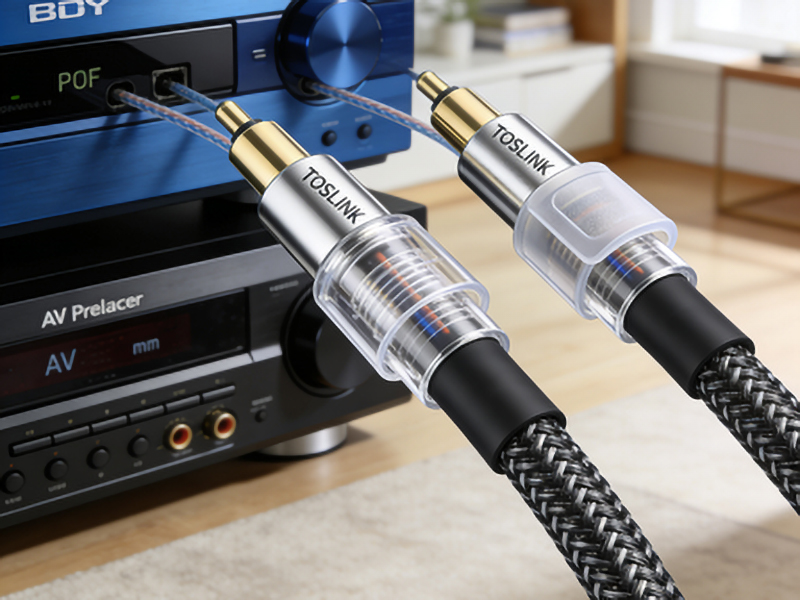
– Home Theater Systems: POF cables are used for connecting high-end audio components like speakers, subwoofers, and receivers, ensuring crystal-clear sound quality.
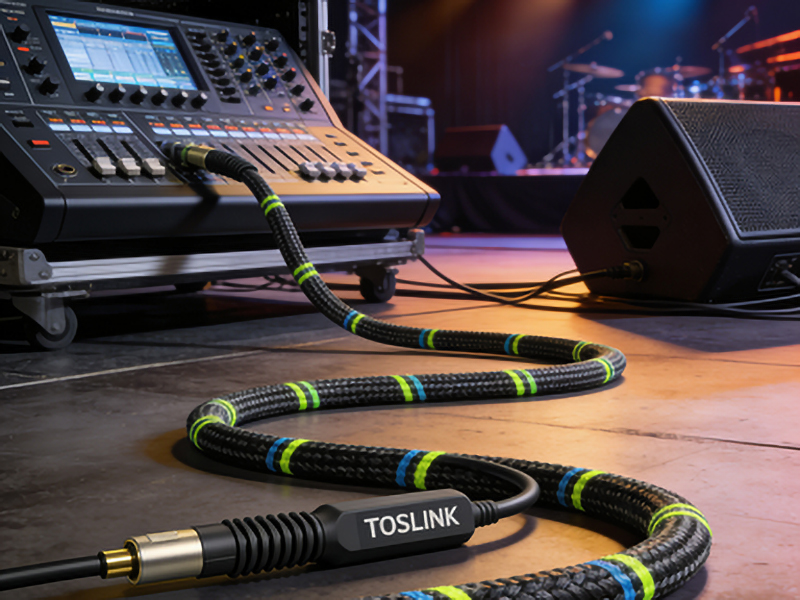
– Professional Studio Equipment: In recording studios, POF cables provide reliable and interference-free transmission for microphones, instruments, and mixing consoles.
– Automotive Audio Systems: The flexibility and lightweight nature of POF make them ideal for in-car audio installations, enhancing both comfort and performance.
Advantages Over Traditional Copper Cables
While copper cables have been the standard for many years, POF offers several advantages:
– No Signal Degradation: Unlike copper, which can suffer from signal loss over long distances, POF maintains high-quality transmission without degradation.
– Lightweight and Portable: The plastic material makes POF cables lighter and more portable, perfect for mobile setups or temporary installations.
– Inherently Safe: Since POF does not conduct electricity, it is inherently safer to use around moisture or in environments where electrical hazards are a concern.
Challenges and Limitations
Despite its advantages, POF also has some limitations that need to be considered:
– Limited Distance for High-Quality Transmission: While POF is effective for short to medium distances, signal attenuation increases over longer spans, which can affect sound quality.
– Compatibility Issues: Ensuring compatibility between different devices and systems using POF requires careful consideration of connectors and adapters.
– Susceptibility to Physical Damage: The plastic material, while flexible, is more prone to physical damage compared to glass fibers. Proper handling and installation are crucial to maintain performance.
Conclusion
Plastic Optical Fiber (POF) represents a significant advancement in audio cable technology, offering superior sound quality, flexibility, and cost-effectiveness. As the demand for high-fidelity audio systems continues to grow, POF is poised to play an increasingly important role in both consumer and professional applications. By understanding its technical specifications, benefits, and limitations, you can make informed decisions when choosing the right audio cable solution for your needs.
Further Reading
For more detailed information on POF technology and its applications, consider exploring resources from industry leaders like [Optical Fiber Manufacturers Association](https://www.ofma.org/) or academic papers on optical communication systems.