
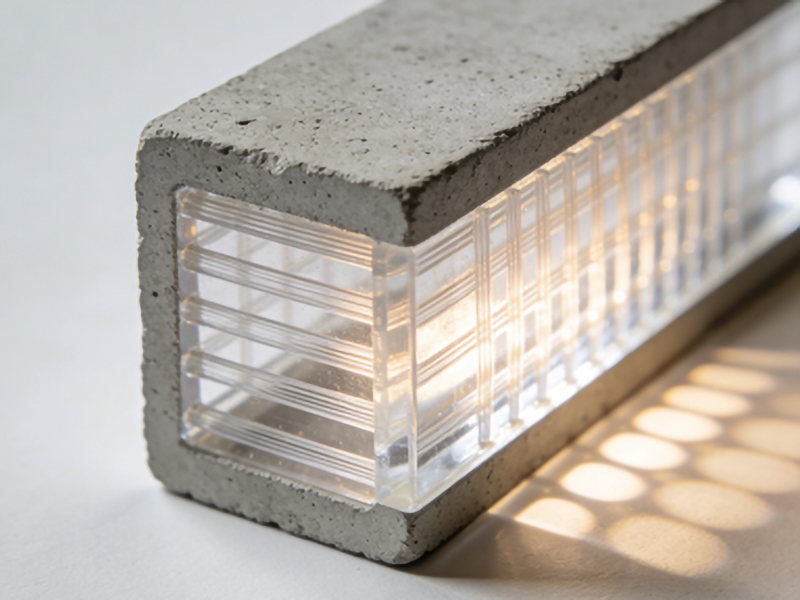
What is a Translucent Concrete POF Insert?
Translucent concrete, also known as transparent or light-transmitting concrete, is an advanced building material that combines the structural integrity of traditional concrete with the ability to transmit light. The POF (Plastic Optical Fiber) insert within this concrete plays a crucial role in facilitating light transmission while maintaining the material’s strength and durability.
Key Features of Translucent Concrete POF Insert
1. Light Transmission: The POF fibers embedded within the concrete allow for controlled light diffusion, creating a unique aesthetic effect while providing functional lighting solutions.
2. Structural Integrity: Despite its translucent properties, this material retains the load-bearing capacity typical of standard concrete, making it suitable for various construction applications.
3. Energy Efficiency: By allowing natural light to penetrate interior spaces, Translucent Concrete POF Insert can reduce reliance on artificial lighting, thereby lowering energy consumption.
4. Customizability: The thickness and spacing of the POF inserts can be adjusted to control the amount of light transmitted, offering flexibility in design applications.
5. Durability: Designed to withstand harsh environmental conditions, this material is resistant to UV radiation, moisture, and temperature fluctuations.

Technical Parameters
– POF Fiber Diameter: Typically ranges from 0.3mm to 1.0mm, depending on the desired light transmission level.
– Concrete Mix Ratio: A specialized mix that includes high-strength cement, fine aggregates, and additives to enhance both strength and transparency.
– Compression Strength: Generally exceeds 40 MPa, ensuring robust structural performance.
– Light Transmission Efficiency: Can transmit up to 70% of incident light, providing ample illumination in interior spaces.
Applications
1. Architectural Design: Used in creating modern, aesthetically pleasing facades, partitions, and interior walls that allow natural light to diffuse through.
2. Sustainable Building Solutions: Ideal for eco-friendly buildings where energy efficiency is a priority, reducing the need for artificial lighting during daylight hours.
3. Lighting Integration: Incorporates POF inserts as part of integrated lighting systems in floors, ceilings, and pathways for both functional and decorative purposes.
4. Art Installations: Employed in creating unique artistic structures where light plays a dynamic role in the visual experience.
Advantages Over Traditional Materials
– Enhanced Aesthetics: Translucent concrete offers a modern, sleek appearance that traditional materials cannot match.
– Lightweight Solutions: Compared to solid glass panels, translucent concrete with POF inserts is lighter and easier to handle while maintaining structural integrity.
– Cost-Effective: While initial costs may be higher than standard concrete, the long-term savings from reduced energy consumption can offset these expenses over time.
Challenges and Considerations
1. Installation Complexity: The embedding of POF fibers requires precise engineering and skilled labor to ensure optimal light transmission and structural integrity.
2. Maintenance Requirements: Periodic cleaning and protection from environmental factors are necessary to preserve the material’s performance and appearance.
3. Cost Implications: Higher production costs due to specialized materials and processes may limit its use in certain projects where budget constraints are tight.
Future Trends
– Integration with Smart Technologies: Combining POF inserts with sensors and smart lighting systems for dynamic, energy-efficient solutions.
– Sustainable Manufacturing Practices: Development of eco-friendly manufacturing processes to reduce the environmental impact of producing translucent concrete.
– Expanded Applications: Increasing use in residential, commercial, and public spaces as awareness of its benefits grows.
Conclusion
Translucent Concrete POF Insert represents a significant advancement in construction materials, offering a blend of aesthetic appeal, functional efficiency, and sustainability. Its ability to transmit light while maintaining structural strength makes it an invaluable tool for architects and engineers seeking innovative design solutions. As technology continues to evolve, the applications and potential of translucent concrete are expected to expand further, revolutionizing modern construction practices.