
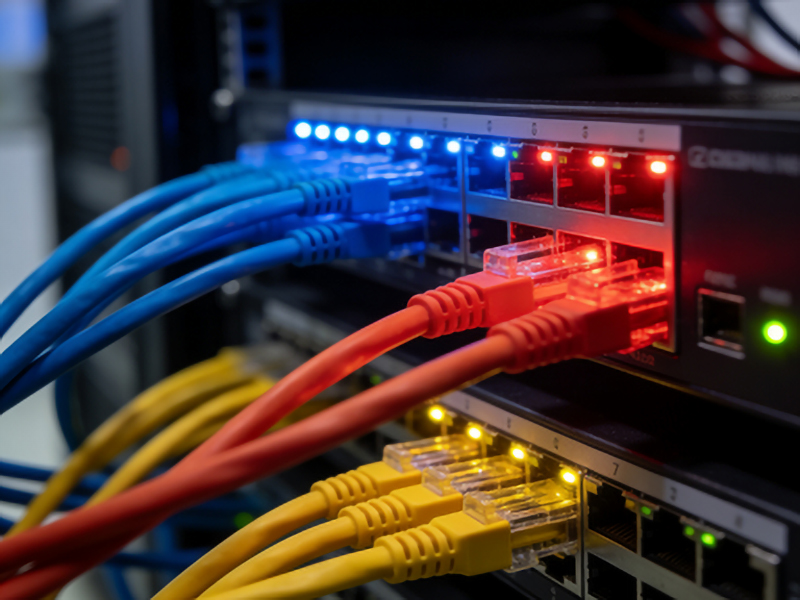
Understanding Fault Indicator Optical Jumpers
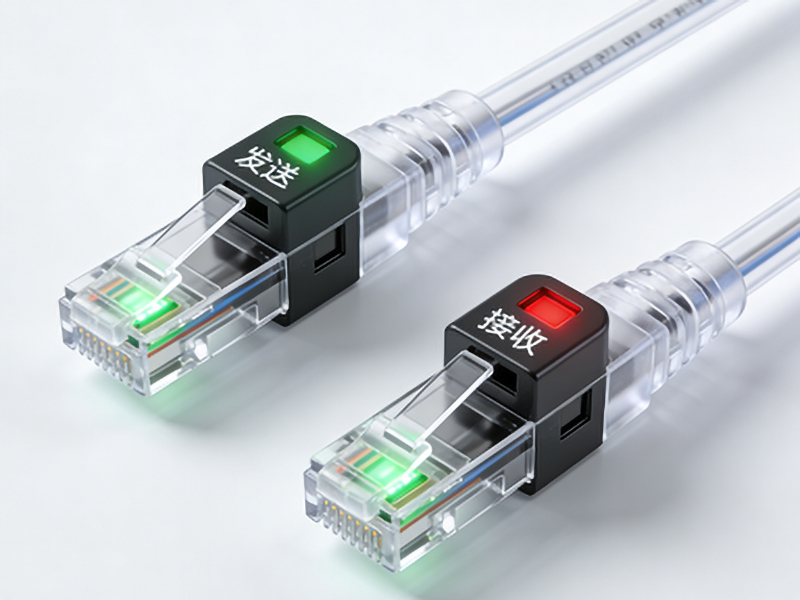
Optical jumpers play a crucial role in maintaining the integrity of fiber optic communication networks. They are short lengths of fiber that connect different parts of a network, ensuring seamless data transmission. However, fault indicator optical jumpers add an extra layer of functionality by incorporating fault detection capabilities.
Key Features
– Fault Detection: These jumpers are designed with built-in sensors to detect breaks or damages in the fiber optic cables.
– Real-time Monitoring: They provide continuous monitoring of network health, alerting technicians to potential issues before they escalate.
– High Reliability: Constructed using high-quality materials to ensure durability and consistent performance under various environmental conditions.
Technical Specifications
Fault indicator optical jumpers come with specific technical parameters that define their performance. Below are some key specifications:
– Wavelength Range: Typically supports wavelengths from 1260 nm to 1650 nm, covering a broad spectrum of fiber optic communication needs.
– Insertion Loss: Usually less than 0.3 dB, ensuring minimal signal loss during transmission.
– Return Loss: Greater than 40 dB, which minimizes back reflections and improves overall network performance.
– Operating Temperature: Ranges from -40°C to +85°C, making them suitable for extreme environmental conditions.
Applications in Power Distribution
In power distribution systems, fault indicator optical jumpers are used to monitor the condition of overhead lines. By detecting faults such as breaks or short circuits, they help prevent widespread outages and enable quicker repairs.
Field Installation and Maintenance
– Ease of Installation: Designed for quick deployment with minimal disruption to existing networks.
– Versatile Connectivity: Compatible with a variety of fiber optic connectors, including SC, LC, FC, and ST types.
Benefits Beyond Traditional Jumpers
Fault indicator optical jumpers offer several advantages over standard optical jumpers:
1. Proactive Monitoring: Enables early detection of potential faults, reducing downtime and maintenance costs.
2. Enhanced Network Reliability: By identifying issues before they become critical, these jumpers contribute to a more robust network infrastructure.
3. Cost Efficiency: Prevents costly repairs by addressing minor issues before they escalate into major problems.
Choosing the Right Optical Jumper
When selecting fault indicator optical jumpers, consider factors such as:
– Network Requirements: Ensure compatibility with your existing fiber optic systems and connectors.
– Environmental Conditions: Opt for models designed to withstand extreme temperatures or harsh weather conditions if necessary.
– Budget: Balance between cost and the required features without compromising on quality.
Conclusion
Fault indicator optical jumpers are an essential component in maintaining the efficiency and reliability of modern fiber optic networks. Their ability to detect faults proactively makes them invaluable for both telecom and power distribution industries. By choosing high-quality fault indicator optical jumpers, organizations can ensure uninterrupted service delivery and reduce maintenance-related costs.