

Introduction
Anti-theft monitoring has become a critical component in safeguarding assets across various industries. With the increasing sophistication of thieves and rising costs associated with theft, organizations are turning to innovative technologies to enhance their security measures. One such solution is the use of POF (Plastic Optical Fiber) technology in anti-theft monitoring systems.
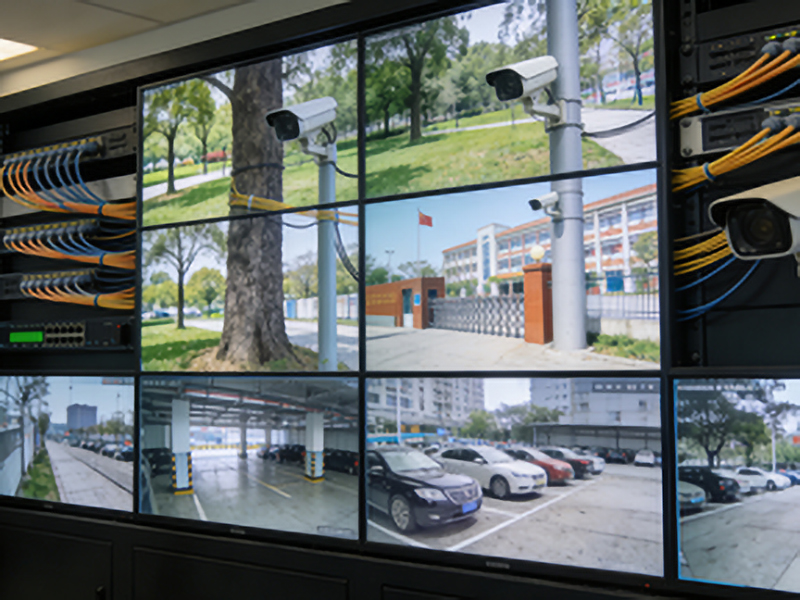
What is POF Technology?
POF stands for Plastic Optical Fiber. Unlike traditional glass optical fibers, POF uses plastic as the core material, making it more flexible and cost-effective. This technology has gained popularity due to its ability to efficiently transmit light signals over long distances with minimal loss of quality. POF offers several advantages, including high data transmission rates, resistance to electromagnetic interference (EMI), and ease of installation.
How Does Anti-Theft Monitoring Using POF Work?
Anti-theft monitoring systems utilizing POF technology operate by leveraging the unique properties of plastic optical fibers. The system typically consists of a transmitter, receiver, and control unit connected via POF cables. Here’s how it works:
1. Signal Transmission: The transmitter sends light signals through the POF cable to the receiver.
2. Detection: If an unauthorized breach occurs (e.g., cutting the cable), the receiver detects the interruption in the light signal.
3. Alarm Activation: Upon detecting an anomaly, the control unit triggers an alarm or notifies security personnel via a connected system.
This method ensures real-time monitoring and immediate response to potential threats.
Benefits of POF-Based Anti-Theft Monitoring
1. High Reliability
POF-based systems are known for their reliability due to their resistance to environmental factors such as temperature fluctuations and electromagnetic interference. This makes them ideal for both indoor and outdoor applications.
2. Cost-Effective
Compared to traditional metal wires or glass optical fibers, POF cables are more affordable and easier to install, reducing overall system costs.
3. Flexibility and Durability
The flexibility of POF allows for easy installation in various environments without compromising durability. This makes POF suitable for complex layouts and challenging terrains.
4. Enhanced Security
By providing continuous monitoring and immediate alerts, POF-based systems significantly reduce the risk of theft or unauthorized access.
Technical Parameters of POF Anti-Theft Systems
– Transmission Distance: Up to 10 kilometers (6 miles)
– Signal Type: Visible light (typically red or infrared)
– Fiber Diameter: 1 mm to 5 mm
– Operating Temperature Range: -40°C to +85°C (-40°F to +185°F)
– Response Time: Less than 1 second
Applications of POF Anti-Theft Monitoring
POF-based anti-theft monitoring systems find applications in a wide range of sectors, including:
– Retail Stores
– Warehouses
– Museums
– Residential Security Systems
– Industrial Facilities
Challenges and Considerations
While POF technology offers numerous advantages, there are some challenges to consider:
1. Susceptibility to Physical Damage: Although durable, POF cables can be damaged if exposed to harsh conditions or improper installation.
2. Limited Signal Strength Over Long Distances: While POF is effective over long distances, signal strength diminishes slightly with distance, requiring additional repeaters in extensive setups.
3. Compatibility with Existing Systems: Ensuring seamless integration with existing security infrastructure may require additional hardware or software adjustments.
Conclusion
Anti-theft monitoring using POF technology represents a significant advancement in the field of security systems. By combining reliability, cost-effectiveness, and flexibility, POF-based solutions provide an effective deterrent against theft and unauthorized access. As technology continues to evolve, the adoption of POF in anti-theft monitoring is expected to grow, offering even more sophisticated security options for organizations worldwide.