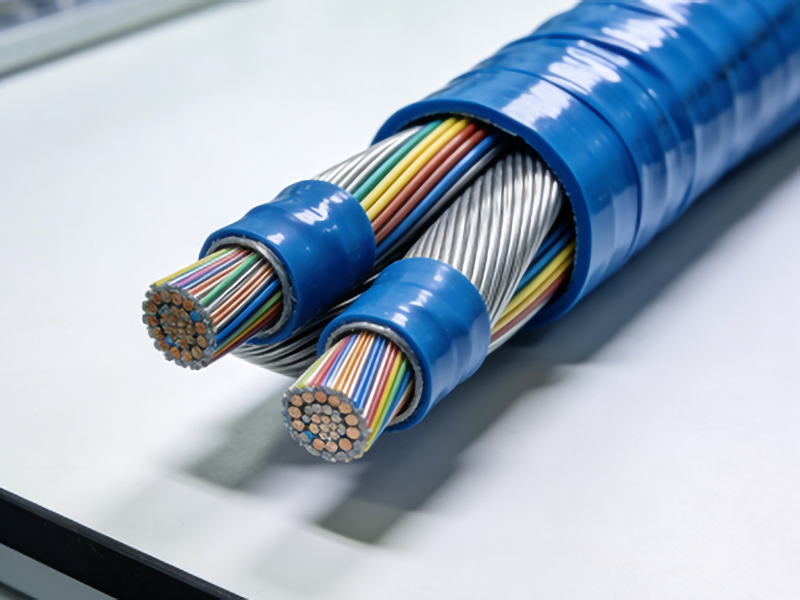
What is a Plastic Optical Cable?
A plastic optical cable (POC) is an advanced fiber optic communication medium designed for efficient data transmission. Unlike traditional glass-based optical fibers, POCs utilize polymer materials for the core and cladding layers. This innovative approach offers unique benefits in terms of cost-effectiveness, flexibility, and ease of installation.
Types of Plastic Optical Cables
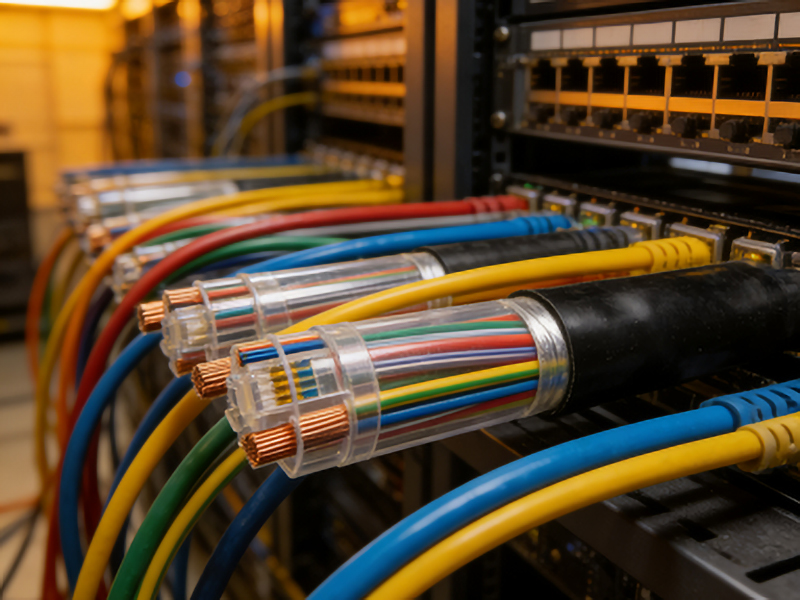
1. Single-Mode Plastic Optical Cable (SM-POC): Optimized for long-distance communication with high data rates. It supports transmission over thousands of kilometers without signal degradation.
2. Multi-Mode Plastic Optical Cable (MM-POC): Ideal for short-range applications such as local area networks (LANs) and campus networks due to its ability to handle multiple light modes simultaneously.
3. Step-Index Plastic Optical Cable: Features a sudden refractive index change between the core and cladding, enhancing signal integrity over moderate distances.
4. Graded-Index Plastic Optical Cable: Gradually changes the refractive index within the core, reducing modal dispersion for improved performance in longer links.
Technical Parameters of Plastic Optical Cables
Key technical parameters that define POCs include:
– Attenuation: Typically ranges between 0.3 to 1 dB/km at wavelengths like 850 nm and 1300 nm, ensuring minimal signal loss over distance.
– Bandwidth: Offers high bandwidth capabilities, supporting data rates up to 10 Gbps for SM-POCs and multi-gigabit speeds for MM-POCs.
– Fiber Diameter: Varies from 50 μm (MM) to 9 μm (SM), affecting signal transmission efficiency and application suitability.
– Operating Temperature Range: Designed to function reliably in environments ranging from -40°C to +85°C, ensuring versatility across different deployment scenarios.
Advantages of Plastic Optical Cables
1. Cost-Effectiveness: Lower production costs compared to glass fibers make POCs an economical choice for various applications.
2. Flexibility and Durability: Polymer materials offer superior bend radius capabilities, allowing easier installation in tight spaces without signal degradation.
3. Lightweight Design: Reduced weight simplifies handling and deployment, especially in challenging environments.
4. Chemical Resistance: Resistant to moisture, oils, and common chemicals, making them suitable for harsh outdoor conditions.
5. Environmental Friendliness: Some POCs are recyclable, aligning with sustainability goals in modern telecom infrastructure.
Applications of Plastic Optical Cables
Plastic optical cables find extensive use across multiple sectors:
– Telecommunications: Used in backbone networks for high-speed data transmission.
– Data Centers: Facilitate intra and inter-data center communication with low latency and high bandwidth.
– Industrial Automation: Enable reliable connectivity in industrial settings, supporting automation and IoT applications.
– Medical Equipment: Employed in medical imaging devices for transmitting high-resolution images with minimal interference.
– Avionics and Aerospace: Provide lightweight, durable solutions for onboard communication systems.
Challenges and Limitations
Despite their advantages, POCs have certain limitations:
1. Limited Transmission Distance: Higher attenuation compared to glass fibers limits their use in long-haul applications.
2. Temperature Sensitivity: While they operate over a wide temperature range, extreme temperatures can affect performance.
3. Security Concerns: The polymer material is more susceptible to physical damage and potential eavesdropping compared to glass fibers.
Future Trends in Plastic Optical Cables
The future of POCs looks promising with advancements in materials science:
– Improved Attenuation Characteristics: Development of low-loss polymers for longer transmission distances.
– Higher Bandwidth Capabilities: Innovations enabling terabit-per-second data rates to meet growing bandwidth demands.
– Integration with IoT: Enhanced compatibility with IoT devices, expanding their role in smart cities and connected systems.
Conclusion
Plastic optical cables represent a significant advancement in fiber optic technology, offering a balance between cost, performance, and flexibility. Their versatility makes them indispensable across various industries, from telecommunications to medical imaging. As technology continues to evolve, POCs are expected to play an even more critical role in shaping the future of data communication.