What is an Optical Fiber Jumper?

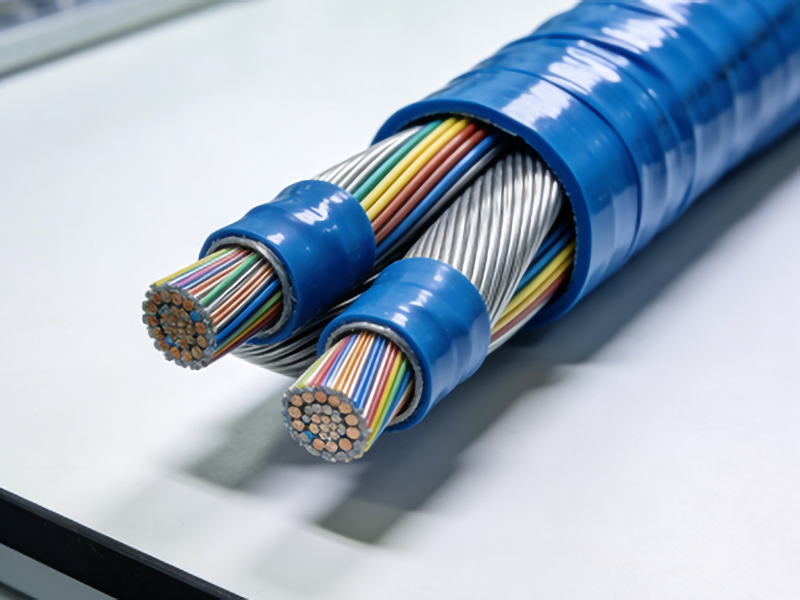
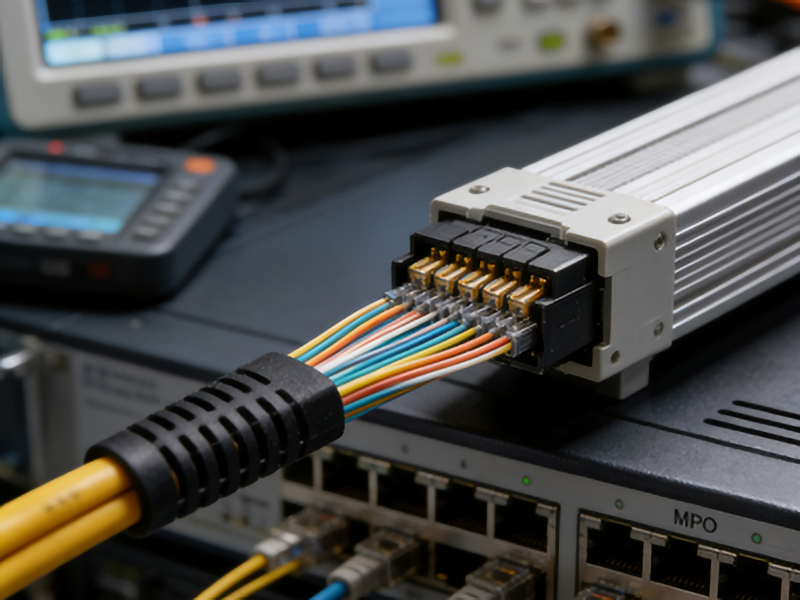
An optical fiber jumper is a flexible component used to connect two optical fibers or devices within a network infrastructure. It consists of a fiber optic cable with connectors on both ends, enabling the transmission of light signals between devices such as routers, switches, and other networking equipment.
Key Components
1. Fiber Optic Cable: The core of the jumper, responsible for transmitting light signals over long distances without significant loss.
2. Connectors: These are attached to both ends of the cable and ensure a secure connection between devices. Common types include SC, LC, FC, ST, and MPO/MTP connectors.
3. Armor or Shielding: Some jumpers come with additional protection against environmental factors like moisture, temperature fluctuations, and physical damage.
Types of Optical Fiber Jumpers

Optical fiber jumpers can be categorized based on the type of fiber they use:
1. Single-Mode Fiber (SMF): Designed for long-distance communication over high-speed networks. They support higher data rates and are ideal for telecommunications and large enterprise networks.
2. Multi-Mode Fiber (MMF): Suitable for short-distance communication within buildings or campuses. They have a larger core, allowing multiple light modes to propagate, making them cost-effective for local area networks (LANs).
Technical Specifications
When selecting an optical fiber jumper, consider the following technical parameters:
– Connector Type: Ensure compatibility with your network devices.
– Fiber Type: Single-mode or multi-mode depending on your application requirements.
– Attenuation: Measure of signal loss over distance; lower attenuation is better for performance.
– Insertion Loss: The reduction in light intensity when passing through the connector; lower values indicate better efficiency.
– Return Loss: The amount of light reflected back towards the source; higher return loss reduces signal interference.
Applications of Optical Fiber Jumpers
Optical fiber jumpers are essential in various applications, including:
1. Telecommunications: Connecting routers and switches for high-speed data transmission.
2. Data Centers: Linking servers, storage devices, and network equipment to ensure efficient data flow.
3. Fiber Optic Networks: Integrating different segments of a fiber optic network to extend coverage.
4. Industrial Automation: Providing reliable connectivity in harsh environments for industrial control systems.
5. AV Systems: Transferring high-quality video and audio signals over long distances without degradation.
Best Practices for Installation
To ensure optimal performance and longevity, follow these installation guidelines:
1. Handling: Avoid touching the connector ends to prevent contamination. Use cleaning tools if necessary.
2. Cable Management: Properly organize and secure jumpers to minimize tangling and stress on the cables.
3. Connector Alignment: Ensure precise alignment of connectors for minimal signal loss and interference.
4. Environmental Considerations: Choose armor or shielding options suitable for the environment, such as moisture-resistant coatings for outdoor installations.
5. Testing: Use optical time-domain reflectometers (OTDR) or other testing equipment to verify signal integrity after installation.
Conclusion
Optical fiber jumpers are critical components in modern network infrastructure, enabling efficient and reliable data transmission across various applications. By understanding the types, specifications, and best practices for their use, you can optimize your network performance and ensure seamless connectivity.