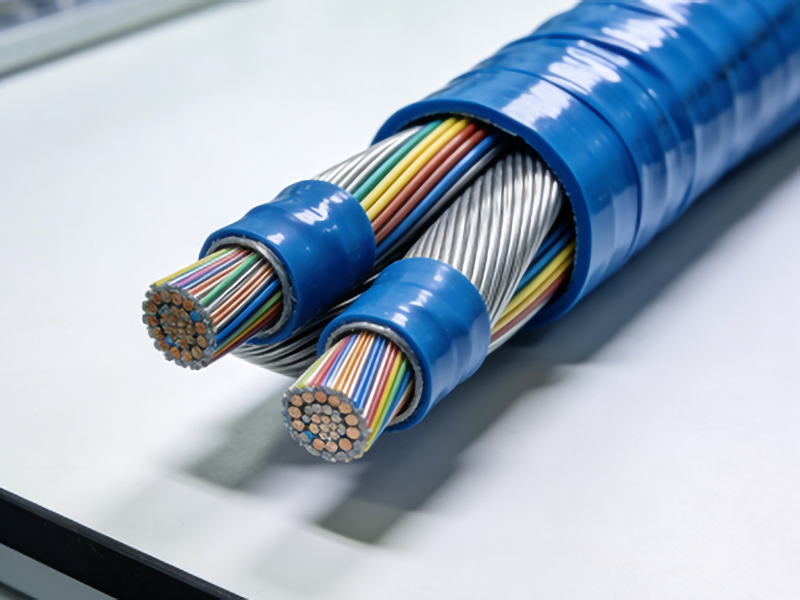
Plastic Optical Fiber (POF) is emerging as a game-changer in the realm of smart wearables, offering unparalleled advantages over traditional copper-based solutions. This article delves into the technical aspects, benefits, and applications of POF in wearable technology.
The Rise of Smart Wearables
Smart wearables have become an integral part of our daily lives, from fitness trackers to advanced health monitoring devices. These devices rely heavily on efficient data transmission for optimal performance. As the demand for faster, more reliable connectivity grows, traditional copper wires are proving inadequate due to their limitations in bandwidth and signal integrity.
What is Plastic Optical Fiber?
Plastic Optical Fiber (POF) is a type of optical fiber made from plastic materials, primarily acrylic or polystyrene derivatives. Unlike its glass counterpart, POF offers several advantages:
– Ease of Use: Simpler manufacturing process and easier to handle.
– Cost-Effective: Lower production costs compared to glass fibers.
– Flexibility: Highly flexible, making it ideal for wearable applications.
Technical Parameters of Plastic Optical Fiber
POF is characterized by several key technical parameters:
– Bandwidth: Typically ranges from 10 MHz to 500 MHz, suitable for high-speed data transmission in wearables.
– Attenuation: Around 1 dB/m at visible wavelengths, ensuring minimal signal loss over short distances.
– Diameter: Usually between 50 μm and 1 mm, providing a balance between flexibility and performance.
Applications in Smart Wearables
POF is finding extensive use in various smart wearable devices:
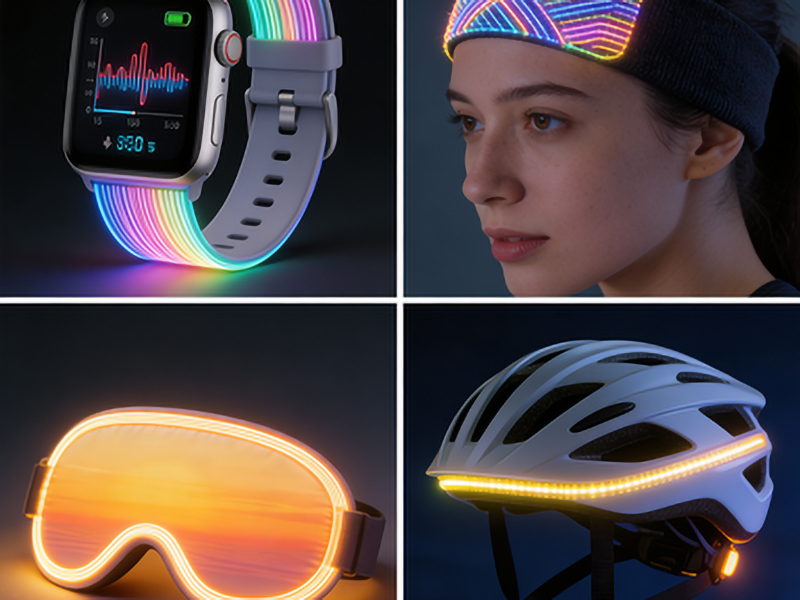
– Health Monitoring Devices: Used for transmitting vital signs data with high accuracy and low latency.
– Smart Clothing: Integrated into textiles to enable communication between different sensors and control units.
– Augmented Reality (AR) Glasses: Facilitating real-time data transfer for enhanced user experience.
Benefits of Using Plastic Optical Fiber
1. Enhanced Data Transfer Speeds
POF enables faster data transmission rates, crucial for real-time applications in wearables. With bandwidth capabilities up to 500 MHz, POF ensures seamless communication between devices and external systems.
2. Reduced Signal Interference
Optical fibers are inherently immune to electromagnetic interference (EMI), making them ideal for environments with high electronic noise. This is particularly beneficial in smart wearables where multiple sensors and components operate simultaneously.
3. Lightweight and Flexible
The lightweight nature of POF makes it suitable for wearable devices that require minimal bulk. Additionally, its flexibility allows seamless integration into various designs without compromising functionality.
4. Cost-Effective Solution
Compared to glass optical fibers, POF is more affordable, making it a viable option for mass-produced smart wearables. This cost efficiency is crucial in an industry where price sensitivity is a key factor.
Challenges and Considerations
Despite its advantages, there are challenges associated with POF:
– Distance Limitations: POF has higher attenuation compared to glass fibers, limiting effective transmission distances to short spans typically found in wearables.
– Connectorization: Ensuring reliable connections requires precise alignment of fiber ends, which can be technically challenging.
The Future of Plastic Optical Fiber in Wearables
As technology advances, POF is expected to play a pivotal role in the next generation of smart wearables. Innovations such as miniaturized optical connectors and improved manufacturing techniques will further enhance its applicability. Additionally, advancements in compatible electronic components are anticipated to unlock new possibilities for integrating POF into more sophisticated wearable devices.
Conclusion
Plastic Optical Fiber is revolutionizing the way data is transmitted in smart wearables. Its unique combination of high-speed data transfer, resistance to interference, and flexibility positions it as a key enabler for future advancements in wearable technology. As the industry continues to evolve, POF will undoubtedly remain at the forefront of innovation, driving the development of smarter, more connected devices.