Introduction
Optical fiber lighting has emerged as a revolutionary solution in the realm of outdoor illumination, offering unparalleled versatility and aesthetic appeal. Ideal for park decoration, this technology not only enhances safety but also creates an enchanting atmosphere that captivates visitors.
Types of Optical Fiber Lighting Systems
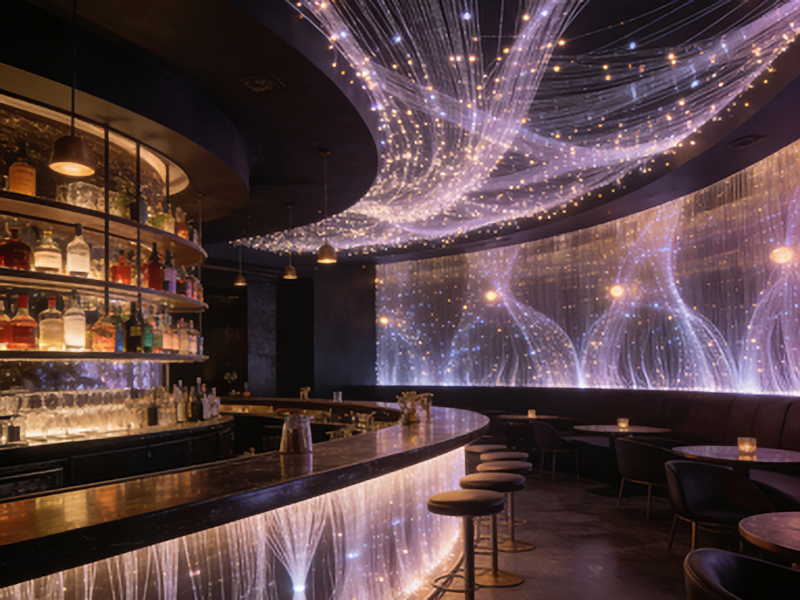
1. Single-Color Fiber Lighting
These systems use single-color LEDs to produce vibrant, uniform lighting effects. The simplicity of design makes them easy to install and maintain.
2. Multi-Color Fiber Lighting
Ideal for dynamic displays, multi-color systems allow for a wide range of color combinations, perfect for festivals or special events in the park.
3. Dynamic Fiber Lighting
This advanced system incorporates motion sensors and programmable controllers to create interactive lighting effects that respond to pedestrian movement, adding an element of surprise and engagement.
Technical Parameters to Consider
When selecting optical fiber lighting systems for parks, consider the following technical parameters:
– Brightness (Luminous Flux): Measured in lumens (lm), higher values indicate brighter light output.
– Color Temperature: Expressed in Kelvin (K), it determines the color tone of the light. For park settings, 3000K to 4000K is ideal for warm, inviting illumination.
– Wavelength Range: Optical fibers are optimized for specific wavelengths, typically between 400nm and 700nm, covering the visible spectrum effectively.
– Fiber Diameter: Ranging from 100μm to several millimeters, thicker fibers allow more light transmission but may be less flexible for intricate designs.
– Connector Types: Ensure compatibility with your existing infrastructure by choosing appropriate connectors like SC, FC, or LC types.
Benefits of Optical Fiber Lighting in Parks
Enhanced Safety and Visibility
By illuminating pathways, seating areas, and recreational spaces, optical fiber lighting improves visibility and enhances safety for park visitors.
Aesthetic Appeal
The flexibility of fiber optics allows for creative designs such as illuminated tree canopies, walkway borders, or decorative patterns on the ground.
Energy Efficiency
Optical fiber systems are energy-efficient, consuming less power compared to traditional lighting methods while providing comparable brightness and color options.
Low Maintenance
Fiber optic lights have a longer lifespan and require minimal maintenance, reducing operational costs over time.
Installation Tips
1. Site Assessment: Evaluate the park’s layout, existing infrastructure, and desired aesthetic outcomes before planning installation.
2. Design Coordination: Work with architects and landscape designers to integrate fiber lighting seamlessly into the park’s design.
3. Connector Handling: Ensure proper handling of connectors to prevent dust or damage that could reduce light transmission efficiency.
4. Power Supply: Install reliable power sources and consider using renewable energy options like solar panels for sustainable operation.
5. Testing: Conduct thorough testing before full deployment to ensure all components function optimally under real-world conditions.
Maintenance Best Practices
1. Regular Inspections: Schedule periodic checks to identify and address any issues early.
2. Cleaning: Keep fiber connectors clean to maintain optimal light transmission.
3. Upgrades: Stay updated with the latest advancements in fiber optic technology and upgrade systems as needed.
Conclusion
Optical fiber lighting is a game-changer for park decoration, offering both functional and aesthetic benefits. By understanding the types of systems available, considering key technical parameters, and following best practices during installation and maintenance, parks can achieve stunning illumination that enhances visitor experience while promoting energy efficiency and sustainability.