Introduction
Plastic optical fiber (POF) has emerged as a versatile solution in the field of fiber optics, offering unique advantages over traditional glass-based fibers. This article delves into the independently developed plastic optical fiber, examining its characteristics, technical parameters, and diverse applications across various industries.
What is Plastic Optical Fiber?
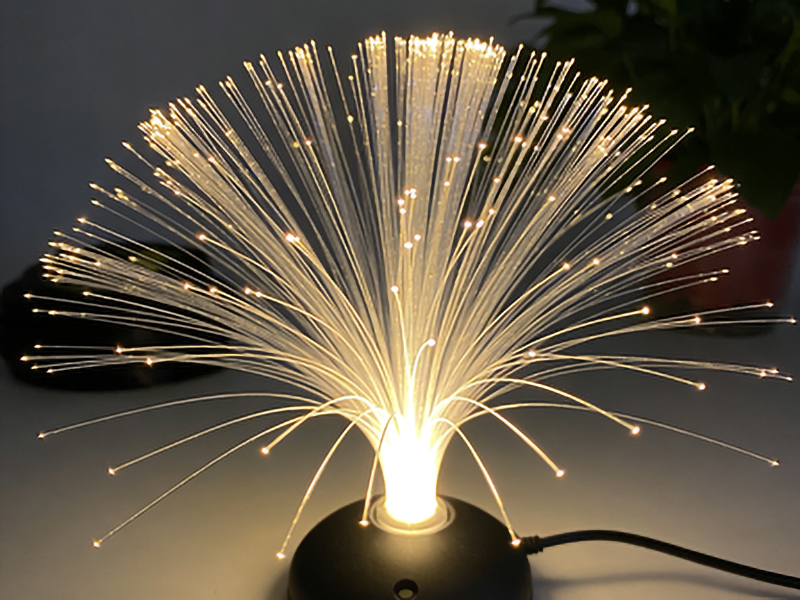
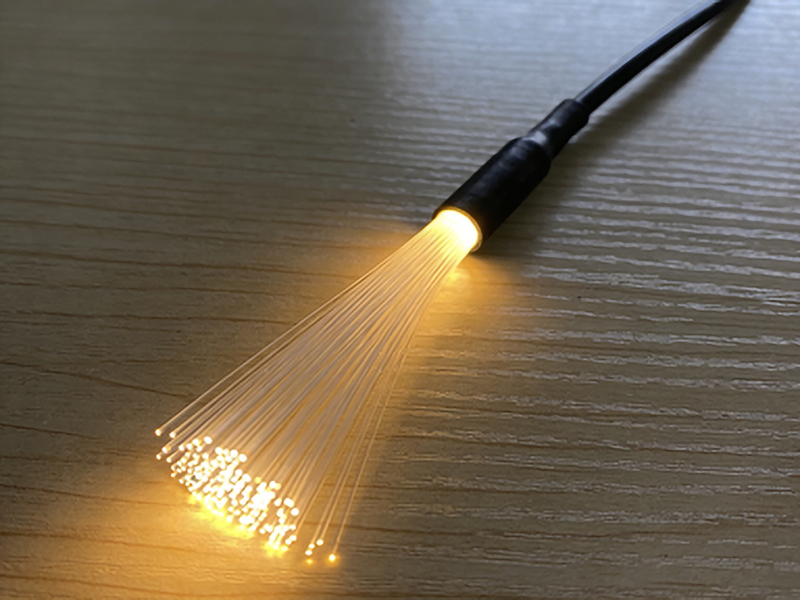
Plastic optical fiber (POF) is a type of fiber optic cable that uses plastic as the core material instead of glass. Unlike traditional silica-based fibers, POF is known for its flexibility, ease of use, and cost-effectiveness. It is particularly suited for short-distance communication and data transmission applications.
Technical Parameters of Independently Developed Plastic Optical Fiber
Independently developed POF solutions have several key technical parameters that make them stand out:
– Core Diameter: Typically ranges from 50 to 100 micrometers, allowing for efficient light transmission.
– Cladding Material: Made from high-refractive index materials such as PMMA (Polymethyl Methacrylate), ensuring minimal signal loss.
– Attenuation: Lower attenuation compared to traditional glass fibers, enabling longer signal transmission without significant loss.
– Bandwidth: Supports a wide bandwidth, making it suitable for high-speed data transmission.
– Fiber Loss: Minimal fiber loss due to advanced manufacturing techniques, enhancing overall performance.
Applications of Independently Developed Plastic Optical Fiber
Independently developed POF finds application in various sectors:
1. Telecommunications: Used for short-distance communication within buildings or campuses.
2. Automotive Industry: Incorporated into vehicle networking systems for reliable data transmission.
3. Medical Field: Applied in medical imaging and endoscopy due to its flexibility and high resolution.
4. Industrial Automation: Utilized in industrial sensors and control systems for efficient data transfer.
5. Consumer Electronics: Integrated into devices like TVs, computers, and networking equipment for faster communication speeds.
Advantages of Independently Developed Plastic Optical Fiber
– Cost-Effective: Lower production costs compared to glass fibers make POF more accessible.
– Flexibility: Highly flexible and easy to install, reducing the need for complex infrastructure.
– Durability: Resistant to environmental factors such as temperature changes and moisture.
– Lightweight: Significantly lighter than traditional glass fibers, making installation easier.
Challenges and Future Developments
While independently developed POF offers numerous benefits, it also faces challenges such as limited transmission distance compared to glass fibers. However, advancements in manufacturing techniques and material science are continually improving the performance of POF. Future developments may include enhanced bandwidth capabilities and reduced attenuation for broader applications.
Conclusion
Independently developed plastic optical fiber represents a significant advancement in fiber optic technology. Its unique properties make it an ideal choice for various industries seeking cost-effective, flexible, and reliable data transmission solutions. As technology evolves, POF is expected to play an increasingly important role in the telecommunications and networking landscape.