Introduction

Plastic Optical Fiber (POF) is revolutionizing the field of smart textiles by enabling the creation of light-emitting fabrics that combine aesthetics with functionality. This innovative technology integrates optical fibers into fabric, allowing for dynamic lighting effects that can be customized for various applications. From wearable electronics to interior design, POF is paving the way for a new era of illuminated materials.
How Plastic Optical Fiber Works
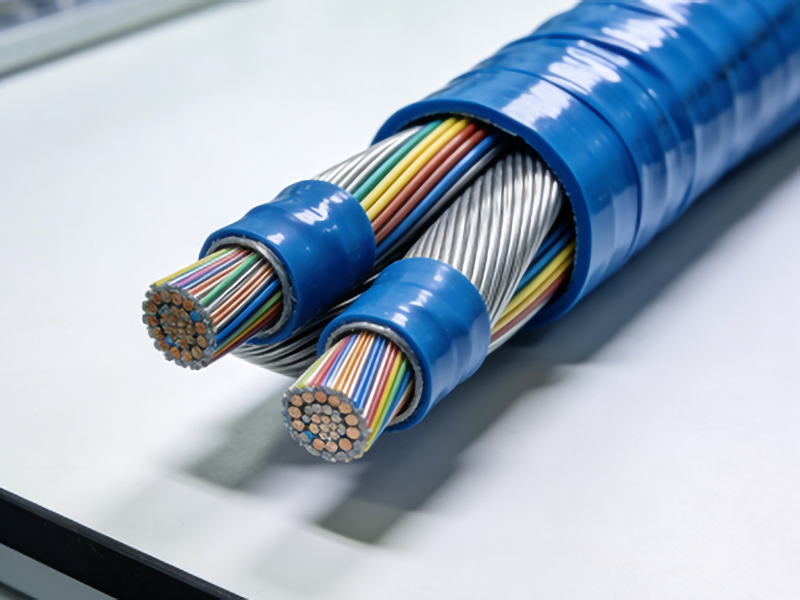
Plastic Optical Fiber (POF) operates on the principle of total internal reflection, guiding light along its core with minimal loss. The fibers are made from high-quality plastic polymers, such as PMMA (Polymethyl Methacrylate), which offer excellent optical properties and flexibility. Key technical parameters include:
– Core Diameter: Typically ranges from 0.5mm to 1mm.
– Cladding Thickness: Usually between 50μm to 200μm, providing effective light confinement.
– Attenuation: Around 200 dB/km at 650nm wavelength, suitable for short-distance applications.
– Flexibility: Bend radius as low as 10mm, allowing seamless integration into fabrics.
These parameters ensure efficient light transmission and compatibility with textile manufacturing processes.
Applications of Light-Emitting Fabrics

The integration of POF into fabrics opens up a wide range of applications:
1. Wearable Technology
Light-emitting fabrics are transforming wearable devices by adding aesthetic appeal to health monitors, fitness trackers, and smart clothing. LEDs embedded in the fabric can display information or create dynamic patterns, enhancing user interaction.
2. Interior Design
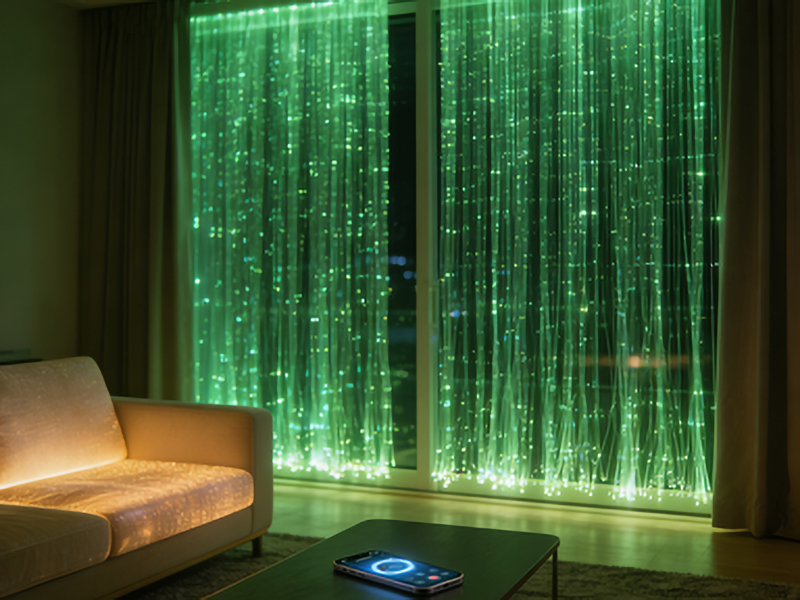
Incorporating POF into curtains, upholstery, and wall coverings allows for customizable lighting solutions. These fabrics can change colors and brightness, creating ambiance without traditional lighting fixtures.
3. Automotive Industry
Car interiors are increasingly using light-emitting textiles for seat covers, door panels, and dashboards. This technology enhances the cabin experience with soft, diffused lighting that is both functional and stylish.
4. Fashion and Accessories
Designers are leveraging POF to create eye-catching garments and accessories. From glowing dresses to illuminated handbags, these products stand out in the market by combining technology with creativity.
Benefits of Plastic Optical Fiber
– Durability: Withstands repeated bending and stretching, making it ideal for textiles.
– Cost-Effective: Lower production costs compared to glass optical fibers, facilitating widespread adoption.
– Design Flexibility: Thin and lightweight, allowing seamless integration into various fabric types.
– Energy Efficiency: Low power consumption due to efficient light transmission reduces energy waste.
Challenges and Considerations
While POF offers numerous advantages, there are challenges to address:
1. Light Source Compatibility
The efficiency of the system depends on the LED’s wavelength and intensity. Proper matching is crucial for optimal performance.
2. Fiber Alignment
Ensuring precise alignment during manufacturing is essential to minimize light loss and maintain signal integrity.
3. Environmental Impact
As with all plastic products, environmental considerations are important. Recycling processes need to be developed to mitigate waste.
Future Directions
The future of POF in textiles is promising, with advancements expected in:
– Smart Integration: Combining POF with sensors for real-time monitoring and adaptive lighting systems.
– Customizable Patterns: Advanced weaving techniques enabling complex light patterns and animations.
– Sustainability: Development of biodegradable or recyclable materials to reduce environmental impact.
Conclusion
Plastic Optical Fiber is driving innovation in the creation of light-emitting fabrics, offering endless possibilities for integrating technology into everyday objects. As research progresses and manufacturing techniques improve, POF-based textiles will continue to push the boundaries of functionality and style, creating a world where lighting is not just functional but also an integral part of design.