Introduction
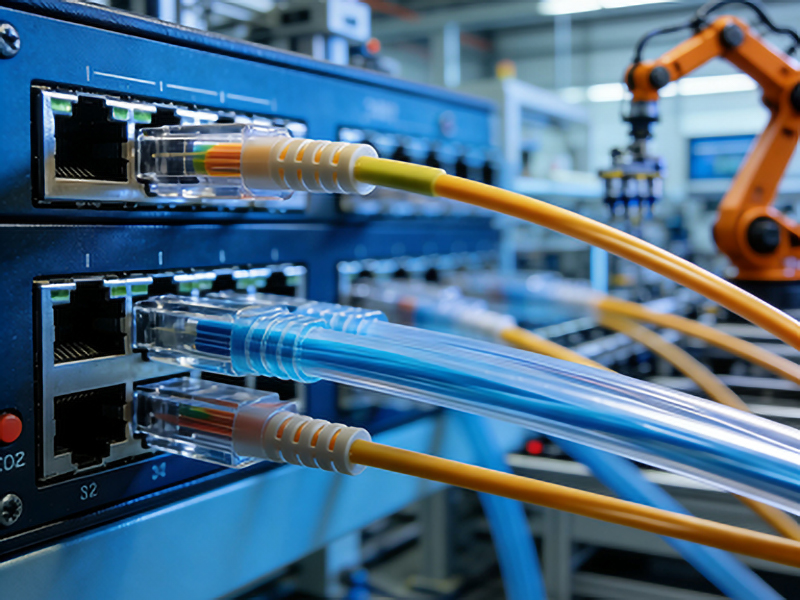
Plastic Optical Fiber (POF) has emerged as a cost-effective solution for various data communication applications. This article delves into the integration of POF systems, discussing key components, technical parameters, and best practices.
Key Components of Plastic Optical Fiber Systems
1. Optical Fibers: Made from plastic materials like PMMA (Polymethyl Methacrylate), these fibers offer flexibility and durability.
2. Connectors and Adapters: Ensure reliable connections between fiber segments and devices.
3. Couplers and Splitters: Used to combine or split optical signals in the network.
4. Transceivers: Convert electrical signals to optical and vice versa, facilitating data transmission.
5. Enclosures and Accessories: Protect the system from environmental factors.
Technical Parameters for POF Integration

– Bandwidth: Typically ranges from 10 MHz to several GHz, depending on fiber type and length.
– Attenuation: Measured in dB/km, with lower values indicating better signal retention. For example, a typical POF might have an attenuation of 20 dB/km at 650 nm wavelength.
– Connector Loss: Usually around 0.3 to 1.0 dB per connector, affecting overall system performance.
– Fiber Diameter: Varies between 900 μm and 1 mm, impacting bending radius and handling ease.
Best Practices for Integration
Signal Integrity
Maintain signal integrity by minimizing bends and ensuring proper termination of fibers.
System Design Considerations
– Choose appropriate fiber types based on application requirements (e.g., single-mode vs. multi-mode).
– Plan for future scalability to accommodate growing network demands.
Testing and Maintenance
Regularly test system performance using tools like optical time-domain reflectometers (OTDRs) and maintain documentation for easy troubleshooting.
Conclusion
Integrating Plastic Optical Fiber systems offers a viable solution for modern data communication needs. By understanding the components, adhering to technical parameters, and following best practices, organizations can achieve efficient and reliable network infrastructure.