Introduction
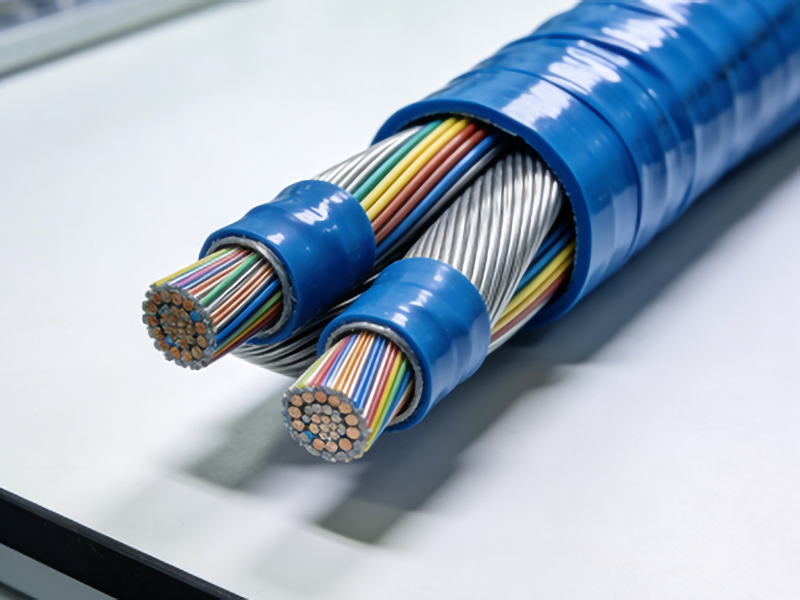
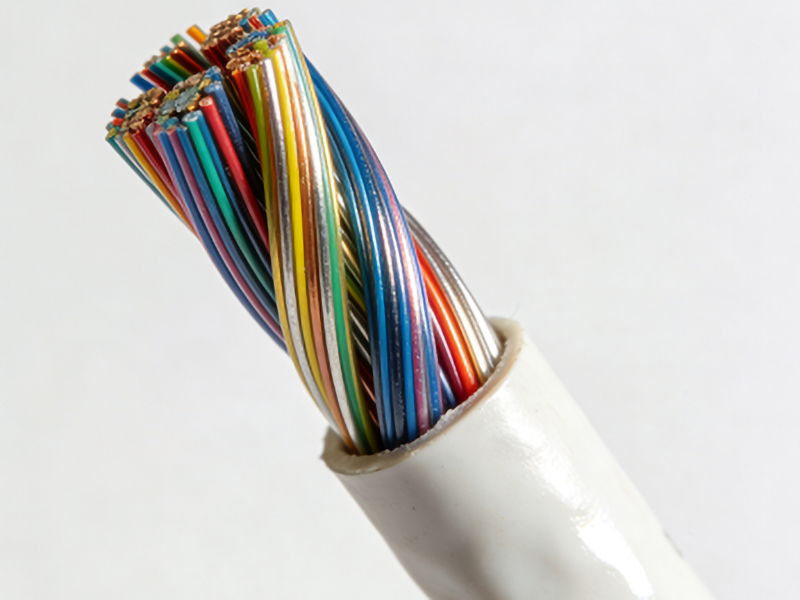
Plastic Optical Cables (POCs) represent a revolutionary leap forward in the field of fiber optic communication. These innovative cables utilize plastic as the core material instead of traditional glass, offering numerous advantages over conventional optical fibers. This article delves into the intricacies of POCs, their technical parameters, applications, and future prospects.
Technical Specifications

Plastic Optical Cables are characterized by several key technical parameters that define their performance and suitability for various applications:
1. Core Material: The core is made from plastic, typically PMMA (Polymethyl Methacrylate) or other similar polymers. This material choice significantly reduces the cost compared to glass fibers while maintaining high light transmission efficiency.
2. Cladding: Surrounding the core is a cladding layer, often made of a different polymer with a lower refractive index than the core. This ensures total internal reflection, enabling efficient light propagation over long distances.
3. Attenuation: POCs exhibit higher attenuation compared to glass fibers, typically in the range of 10-20 dB/km at common wavelengths like 850 nm and 1300 nm. Despite this, advancements in material science continue to improve their transmission capabilities.
4. Bandwidth: The bandwidth of plastic optical cables is generally lower than that of glass fibers, making them suitable for applications requiring moderate data rates rather than high-speed telecommunications.
5. Temperature Range: POCs are designed to operate within specific temperature ranges, typically from -20°C to +70°C, making them ideal for indoor and controlled outdoor environments.
6. Flexibility: One of the standout features of plastic optical cables is their exceptional flexibility. This allows for easier installation in tight spaces and around corners without the risk of breaking or degrading performance.
Applications of Plastic Optical Cables
Plastic Optical Cables find application in a variety of fields due to their unique combination of cost-effectiveness, durability, and ease of use:
– Telecom Networks: POCs are increasingly being adopted for short-reach communication links within local area networks (LANs) and data centers. Their lower cost and flexibility make them an attractive option for these environments.
– Industrial Automation: In industrial settings, POCs provide reliable connectivity for machine-to-machine communication (M2M), sensors, and control systems. Their resistance to electromagnetic interference (EMI) ensures stable performance in electrically noisy environments.
– Automotive Industry: The automotive sector leverages plastic optical cables for车内通信系统(IVN,In-Vehicle Networking),提供高速、可靠的数据传输,支持ADAS(高级驾驶辅助系统)和车载信息娱乐系统的运行。
– Medical Devices: Due to their flexibility and biocompatibility, POCs are used in medical devices such as endoscopes and imaging equipment. Their lightweight nature also contributes to patient comfort.
Advantages of Plastic Optical Cables
The adoption of plastic optical cables brings several advantages to the table:
– Cost-Effective: The use of plastic instead of glass significantly reduces production costs, making POCs more accessible for a wide range of applications.
– Ease of Installation: Unlike glass fibers that require precision handling and splicing, POCs can be installed more easily without specialized tools or expertise. Their flexibility also simplifies routing in complex environments.
– Lightweight and Durable: Plastic cables are lighter than their glass counterparts while maintaining durability. This makes them ideal for applications where weight is a concern, such as in aerospace or portable medical devices.
– Resistance to Environmental Factors: POCs exhibit excellent resistance to moisture, chemicals, and temperature fluctuations, ensuring consistent performance under various conditions.
Challenges and Limitations
Despite their many advantages, plastic optical cables also face certain challenges:
– Higher Attenuation: Compared to glass fibers, POCs experience higher signal loss over longer distances. This limits their suitability for long-haul communication networks where high-speed data transmission is critical.
– Limited Bandwidth: The bandwidth of plastic optical cables is generally lower than that of glass fibers, restricting their use in applications requiring extremely high data rates.
– Temperature Sensitivity: While POCs are designed to operate within specific temperature ranges, extreme temperatures can impact their performance and longevity.
Future Prospects
The future of Plastic Optical Cables looks promising as ongoing research focuses on overcoming current limitations. Innovations such as improved core materials with lower attenuation and higher bandwidth capabilities are expected to expand the range of applications for POCs. Additionally, advancements in manufacturing techniques could further reduce costs and enhance durability.
As the demand for high-speed, reliable communication continues to grow across industries, plastic optical cables are poised to play a significant role in meeting these needs while offering a cost-effective alternative to traditional glass fiber solutions.
Conclusion
Plastic Optical Cables represent a compelling option for modern communication networks, combining affordability with practicality. Their unique properties make them suitable for a wide array of applications, from telecom infrastructure to medical devices and automotive systems. As technology evolves, POCs are expected to become even more integral to the fiber optic landscape, driving innovation and efficiency in various sectors.