What is Side-Glow Plastic Optical Fiber?
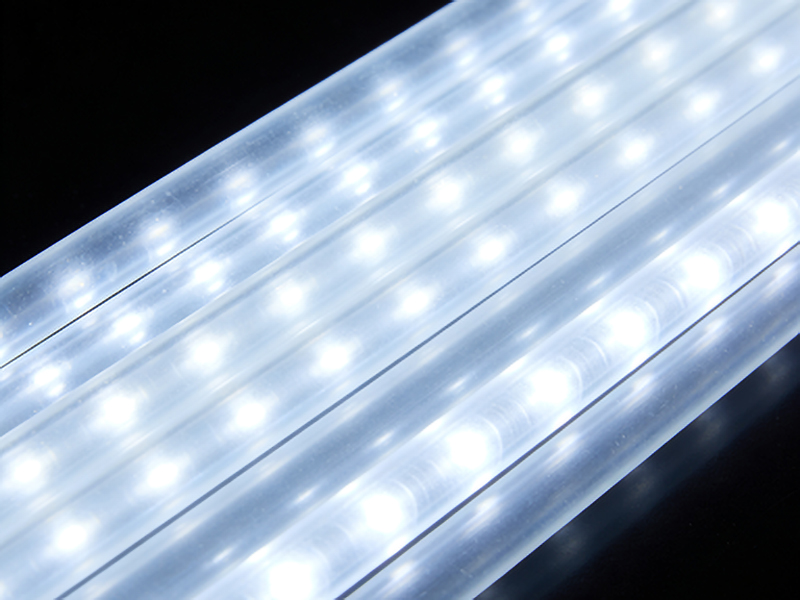
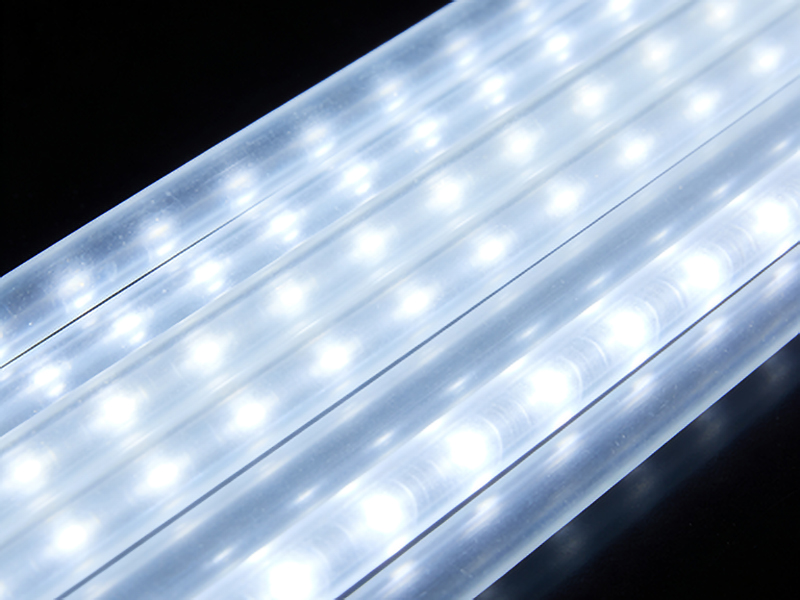
Side-Glow Plastic Optical Fiber (POF) is a type of optical fiber designed to emit light along its length rather than at the end. This unique property makes it ideal for applications where distributed lighting or signaling is required. Unlike traditional optical fibers that transmit light from one point to another, Side-Glow POF allows for light emission across the entire surface of the fiber, creating a glowing effect.
Technical Specifications and Parameters
Core Diameter
The core diameter of Side-Glow POF typically ranges from 0.5mm to 1mm. A larger core diameter generally results in higher light output but may affect the overall flexibility of the fiber.
Cladding Layer
The cladding layer is crucial for maintaining total internal reflection, ensuring that light remains within the fiber. The refractive index difference between the core and cladding determines the efficiency of light transmission. Common materials used include polymethyl methacrylate (PMMA) with a refractive index of around 1.49.
Attenuation
Attenuation refers to the reduction in light intensity as it travels through the fiber. For Side-Glow POF, attenuation is typically higher than in standard single-mode fibers due to the scattering and absorption inherent in plastic materials. Typical attenuation values range from 50 dB/km to 200 dB/km depending on the wavelength of light used.
Flexibility
Side-Glow POF is highly flexible, making it suitable for applications where bending is required. The minimum bend radius is usually around 10 times the fiber diameter, ensuring minimal signal loss during bends.
Applications of Side-Glow Plastic Optical Fiber
Lighting Applications
One of the most common uses of Side-Glow POF is in decorative and functional lighting. It is used in:
– Architectural lighting
– Vehicle interiors
– Advertising displays
– Safety lighting
Communication Systems
Despite higher attenuation, Side-Glow POF can be used in short-range communication systems where low data rates are acceptable. Applications include:
– In-car networking
– Industrial automation
– Home networking
Sensing and Monitoring
Side-Glow POF is employed in sensing applications due to its ability to detect changes in light intensity caused by external factors such as temperature, pressure, or strain.
Advantages of Side-Glow Plastic Optical Fiber
1. Cost-Effective: Plastic optical fibers are generally cheaper than glass-based alternatives.
2. Ease of Use: Side-Glow POF is easier to install and handle due to its flexibility and compatibility with low-cost coupling techniques.
3. Versatility: Suitable for a wide range of applications from lighting to communication and sensing.
4. Durability: Resistant to environmental factors, making it suitable for both indoor and outdoor use.
Challenges and Limitations
1. High Attenuation: Compared to glass fibers, Side-Glow POF has higher signal loss over distance.
2. Bandwidth Limitations: Limited bandwidth makes it unsuitable for high-speed data transmission.
3. Temperature Sensitivity: Some materials used in POF may degrade under extreme temperatures or UV exposure.
Conclusion
Side-Glow Plastic Optical Fiber offers a unique combination of flexibility, cost-effectiveness, and versatility, making it an essential component in various applications. Despite its limitations, ongoing advancements in material science are continually improving the performance of Side-Glow POF, expanding its potential uses in both lighting and communication systems.