
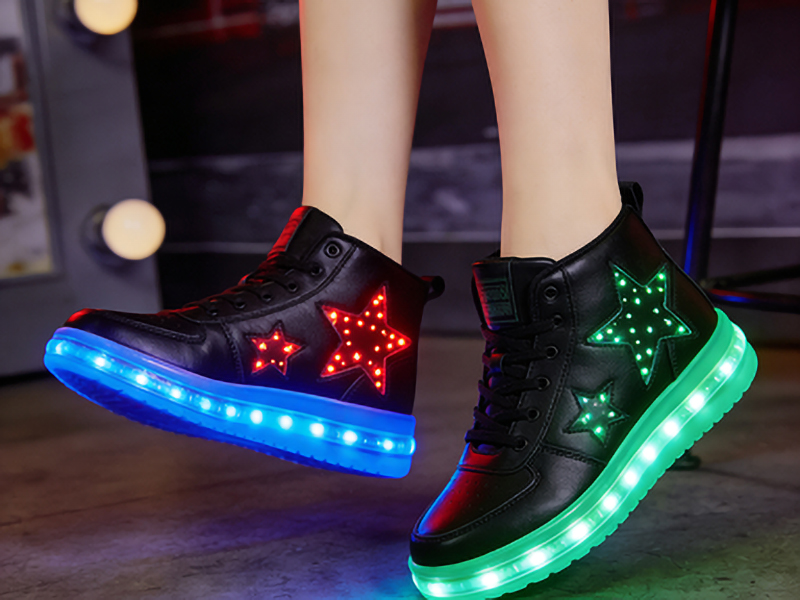
The Fusion of Fashion and Technology: Light-Up Shoes Using Plastic Optical Fibers
Light-up shoes have evolved from a niche product to a mainstream fashion statement, thanks to advancements in materials science and LED technology. At the heart of this innovation lies plastic optical fiber (POF), a versatile material that enables dynamic lighting effects while maintaining durability and sustainability.
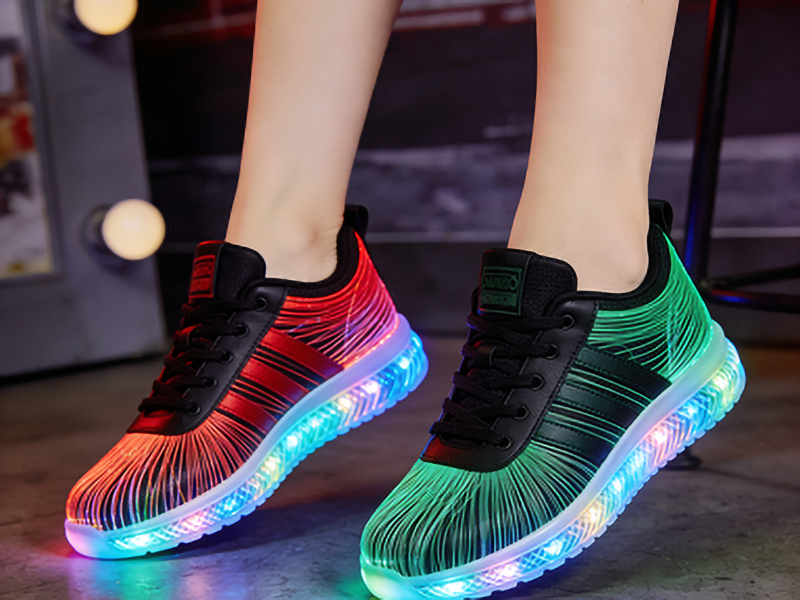
How Do Light-Up Shoes Work?
Light-up shoes typically incorporate LED lights connected via POF strands. LEDs emit light that travels through the POF, illuminating patterns or designs on the shoe’s surface. This system allows for customizable brightness levels and multiple color options, enhancing both functionality and aesthetics.
Technical Specifications of Plastic Optical Fibers
Plastic optical fibers are ideal for this application due to several key properties:
– High Light Transmission: POFs can efficiently transmit light over short distances without significant loss, ensuring vibrant illumination even in low-light conditions.
– Flexibility: Unlike glass fibers, POFs are flexible and resistant to breaking, making them suitable for the dynamic movement of shoes.
– Durability: High-quality POFs offer long lifespan under typical usage conditions, reducing the need for frequent replacements.
– Cost-Effectiveness: Plastic optical fibers are more affordable than their glass counterparts, making light-up shoes accessible to a broader market.
Design Considerations
When designing light-up shoes with POFs, several factors come into play:
1. Pattern and Layout: The placement of POF strands determines the visual appeal. Complex patterns require precise alignment to ensure even lighting distribution.
2. Power Management: LEDs consume minimal power, but efficient battery management is crucial for extended usage between charges. Modern designs often include rechargeable batteries with fast charging capabilities.
3. Aesthetics and Comfort: The integration of POFs must not compromise the shoe’s comfort or style. Thinner fibers and strategic placement help maintain a sleek design while ensuring functionality.
Benefits Over Traditional Lighting Methods
Compared to older lighting technologies, POF-based systems offer several advantages:
– Energy Efficiency: LEDs paired with POFs consume less power, extending battery life.
– Customizability: Users can often change colors or patterns via smartphone apps, adding a personal touch to their footwear.
– Sustainability: The use of durable, recyclable materials like POF contributes to a more sustainable product lifecycle.
Maintenance and Care Tips
To ensure optimal performance and longevity:
– Avoid exposing shoes to extreme temperatures or moisture, which can degrade POFs over time.
– Clean the shoe’s surface regularly to maintain brightness and prevent dust from blocking light transmission.
– Follow recommended charging cycles to preserve battery health and maintain consistent lighting performance.
The Future of Light-Up Shoes
As technology continues to advance, we can expect even more sophisticated features in light-up shoes. Innovations such as smart sensors for adaptive lighting, integration with wearable tech, and enhanced color-changing capabilities are on the horizon. Additionally, advancements in POF manufacturing could lead to thinner, more flexible fibers, expanding design possibilities while maintaining performance.
Conclusion
Light-up shoes using plastic optical fibers represent a perfect blend of fashion and technology. By leveraging the unique properties of POFs, manufacturers create stylish, functional footwear that meets modern demands for innovation and sustainability. Whether for fitness, casual wear, or special events, light-up shoes are more than just accessories—they’re statements of individuality and forward-thinking design.