Comprehensive review of Hair Salon Decorations. Discover how decorative elements play a pivotal role in enhancing the ambiance of hair salons. Explore POF (Point of Focus) strategies to create inviting and memorable spaces.
# The Role of Decorative Elements in Modern Hair Salons
Hair salons are more than just places where people go to get their hair done; they are spaces that evoke emotions, set the tone for client experiences, and reflect the salon’s brand identity. One crucial aspect of creating such an environment is the thoughtful use of decorative elements, particularly Point of Focus (POF) designs. This article delves into how POF can transform a salon space, making it both functional and aesthetically pleasing.
Understanding POF in Salon Design
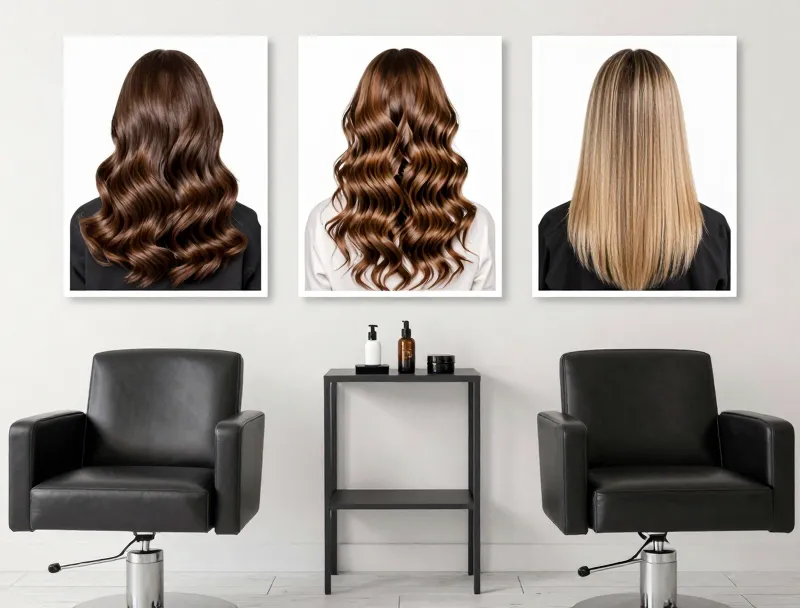
Point of Focus refers to the central visual element or area within a space that draws the eye and sets the aesthetic tone. In hair salons, this could be a striking wall art piece, an elegant chandelier, or a beautifully arranged display counter. The POF serves as the anchor around which other decorative elements are organized, creating a cohesive and harmonious design.
Technical Parameters of POF Design
– Visibility: Ensure the POF is easily noticeable from various points within the salon.
– Proportion: The size should be appropriate relative to the space; neither too large nor too small.
– Color Palette: Use colors that complement the overall theme and enhance visual appeal.
– Lighting: Proper lighting is essential to highlight the POF effectively, using a combination of ambient, task, and accent lights.
Choosing the Right Decorative Elements
Selecting the right decorative elements for your salon’s POF involves considering several factors:
1. Theme and Brand Identity: Align decorations with the salon’s branding. For instance, a modern minimalist theme might favor clean lines and neutral tones, while a bohemian theme could incorporate vibrant colors and eclectic pieces.
2. Client Demographics: Understand your target audience. A沙龙 catering to young adults might benefit from bold, trendy designs, whereas a high-end luxury salon could opt for more sophisticated elements.
3. Functionality: Ensure that decorative items do not impede daily operations. For example, wall art should be securely mounted and easy to maintain.
Technical Indicators for Element Selection
– Material Durability: Choose materials that withstand frequent handling and cleaning without losing their aesthetic appeal.
– Ergonomics: Decorative pieces should not obstruct movement or accessibility within the salon.
– Aesthetic Consistency: All elements should contribute to a unified visual theme, reinforcing brand identity.
Implementing POF in Salon Layouts
The placement of the POF is critical. It should be positioned where clients naturally look first upon entering, such as near the reception area or in high-traffic zones. This strategic placement ensures that the POF immediately captures attention and sets the salon’s ambiance.
Lighting Considerations
Lighting plays a pivotal role in highlighting the POF. Use a combination of:
– Ambient Lighting: Provides overall illumination, creating a welcoming atmosphere.
– Task Lighting: Ensures functionality during services without overshadowing the decorative elements.
– Accent Lighting: Directs focus to the POF, enhancing its visual impact.
Harmonizing Colors and Patterns
Color theory is vital in salon design. A well-chosen color palette can evoke desired emotions—calming blues for relaxation or energizing oranges for a vibrant atmosphere. Additionally, patterns should be used judiciously to avoid overwhelming the space. Consider using subtle textures that add depth without distraction.
Maintenance and Upkeep of Decorative Elements
Maintaining the salon’s aesthetic appeal over time requires regular upkeep:
– Cleaning: Schedule routine cleaning to keep decorative elements looking fresh.
– Refreshing: Periodically update decorations to reflect seasonal trends or client preferences, ensuring the space remains dynamic and appealing.
– Inspecting: Regularly check for any signs of wear and tear, replacing items as needed to maintain a polished look.
Technical Maintenance Tips
– Use non-abrasive cleaners to avoid damaging delicate surfaces.
– Opt for UV-resistant materials to prevent fading caused by natural light exposure.
– Implement a rotating display system to keep the POF interesting without overhauling the entire space frequently.
Case Studies: Successful Salon Decorations
Examining real-world examples can provide valuable insights into effective POF implementation:
1. Modern Minimalist Salon: Utilizes a large, abstract wall painting as the POF, paired with sleek, minimalist furniture and soft lighting to create a calming environment.
2. Bohemian-Inspired Salon: Features an eclectic mix of vintage mirrors, hanging plants, and colorful textiles, centered around a statement chandelier that serves as the POF.
3. Luxury Salon: Employs a grand crystal chandelier as the focal point, complemented by rich textures and muted tones to exude elegance and sophistication.
Each case study demonstrates how aligning the POF with the salon’s theme and target audience can lead to a cohesive and inviting space.
Conclusion
Decorative elements, particularly the Point of Focus, are integral to creating a memorable and functional hair salon environment. By carefully selecting and positioning these elements, salons can enhance client experiences, reinforce brand identity, and stand out in a competitive market. Regular maintenance ensures that the aesthetic appeal remains consistent over time, contributing to long-term success.