
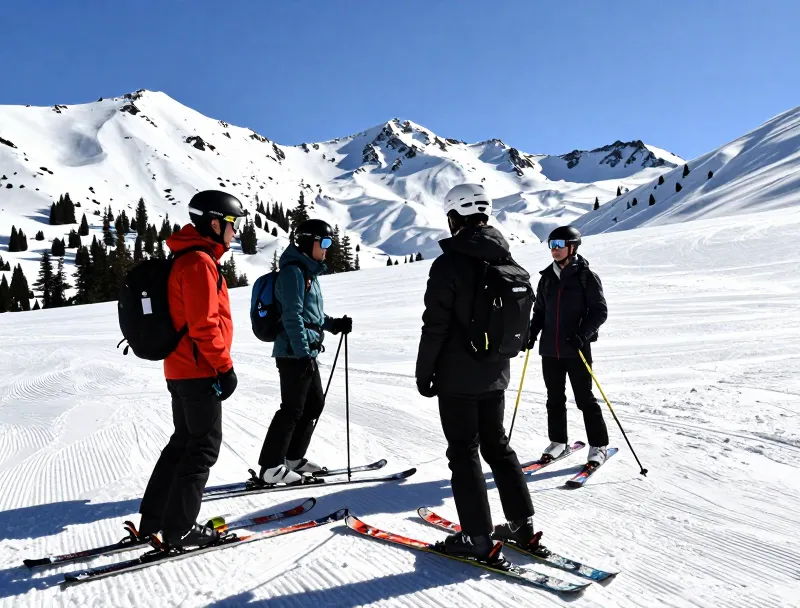
Comprehensive review of POF. Learn about the essential aspects of Ski Resort Trail Guiding POF, including trail design principles, snow management, and safety protocols to enhance your skiing experience.
Introduction
Ski resort trail guiding is a critical component in ensuring a safe, enjoyable, and efficient skiing experience for all visitors. The POF (Plan-Operate-Finish) framework provides a structured approach to managing trails effectively. This article delves into the key elements of ski resort trail guiding POF, offering insights into trail design, snow management, safety protocols, and operational efficiency.
Understanding the POF Framework
The POF framework is essential for organizing ski resort operations systematically. It consists of three main phases:
1. Plan: This phase involves thorough planning, including trail layout, slope angles, and traffic flow analysis.
2. Operate: Here, the focus shifts to real-time management, such as snow grooming, lift operations, and emergency response.
3. Finish: Post-operation evaluation ensures continuous improvement by analyzing performance data and addressing feedback.
Trail Design Principles
Effective trail design is foundational to a well-run ski resort. Key considerations include:
Slope Angles
– Beginner Trails (Green Circles): 6-12 degrees
– Intermediate Trails (Blue Squares): 10-14 degrees
– Advanced Trails (Black Diamonds): 14-25 degrees
– Expert Trails (Double Black Diamonds): >25 degrees
Trail Layout
– Ensure trails are spaced to accommodate varying skill levels, preventing overcrowding and enhancing safety.
– Incorporate natural features like berms and moguls for added challenge and fun.
Snow Management Techniques
Snow quality significantly impacts the skiing experience. Effective snow management involves:
Grooming Practices
– Use modern grooming equipment to maintain consistent snow surfaces.
– Schedule grooming during off-peak hours to minimize disruption.
Snowmaking Systems
– Utilize advanced snow guns and weather monitoring systems for optimal snow production.
– Ensure even distribution of snow across trails to prevent ice patches.
Safety Protocols
Safety is paramount in ski resorts. Key safety measures include:
Emergency Response
– Maintain a well-trained rescue team equipped with necessary gear like snowmobiles, avalanche transceivers, and first aid kits.
– Conduct regular emergency drills to ensure preparedness.
Trail Markings and Signage
– Clearly mark trail difficulty levels and potential hazards such as cliffs or rocks.
– Use standardized signs for consistency across different resorts.
Operational Efficiency
Efficient operations enhance the overall guest experience. Considerations include:
Lift Operations
– Optimize lift capacity to reduce wait times, especially during peak hours.
– Implement energy-efficient lift systems to lower operational costs.
Staffing and Training
– Hire knowledgeable staff familiar with trail layouts and safety protocols.
– Provide ongoing training on new equipment and procedures.
Conclusion
Mastering the POF framework for ski resort trail guiding ensures a seamless, safe, and enjoyable experience for all skiers. By focusing on thoughtful trail design, effective snow management, robust safety measures, and operational efficiency, resorts can enhance guest satisfaction and maintain a competitive edge in the industry.