I. Solar Lights 101: How They Work & Core Advantages
Before investing in solar lights, understanding their basic functionality and unique benefits helps you make informed decisions and maximize their value. Today’s solar lights are engineered for simplicity and performance, making them a smart choice for homeowners and renters alike.
1. Core Working Principle
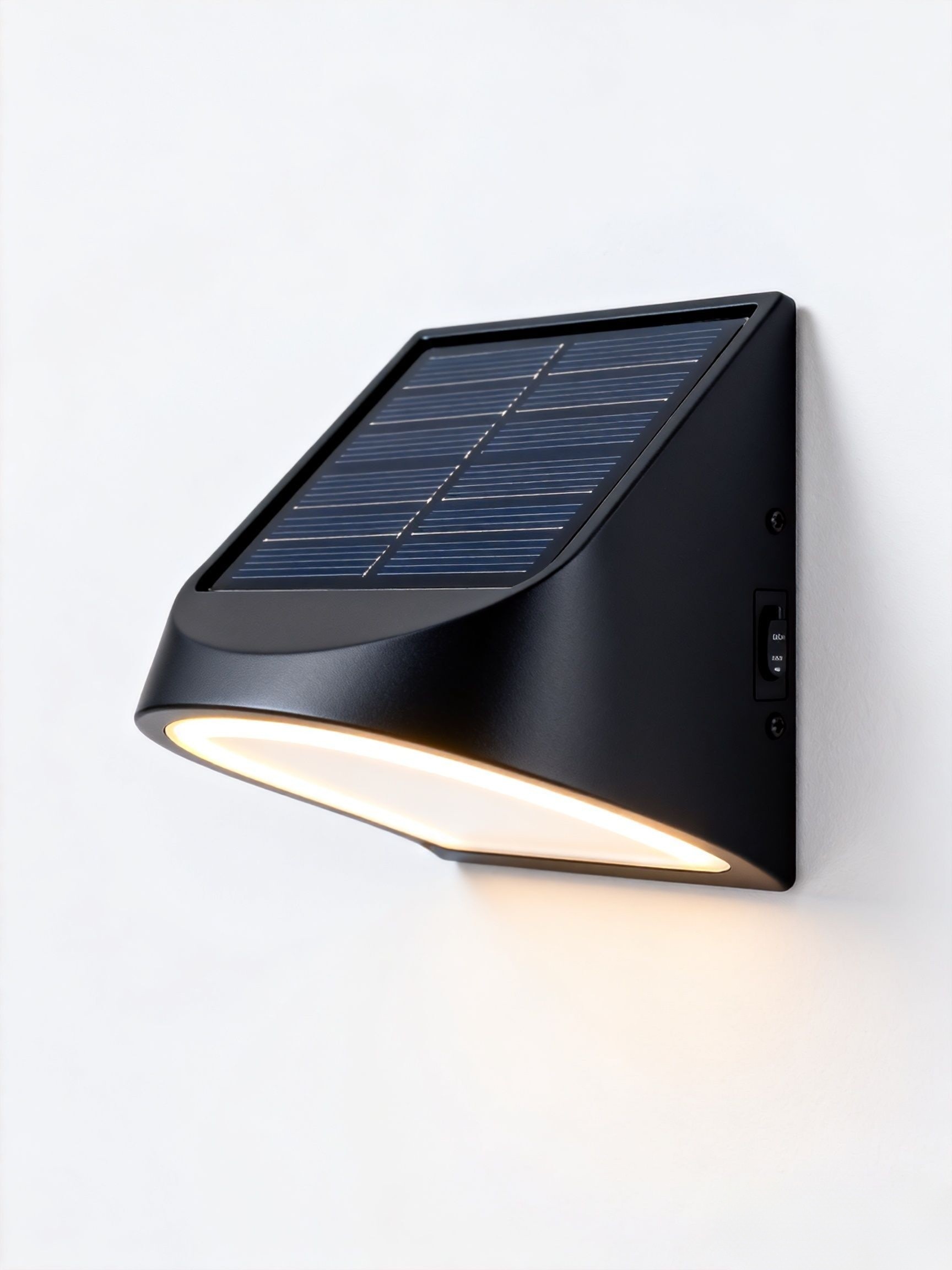
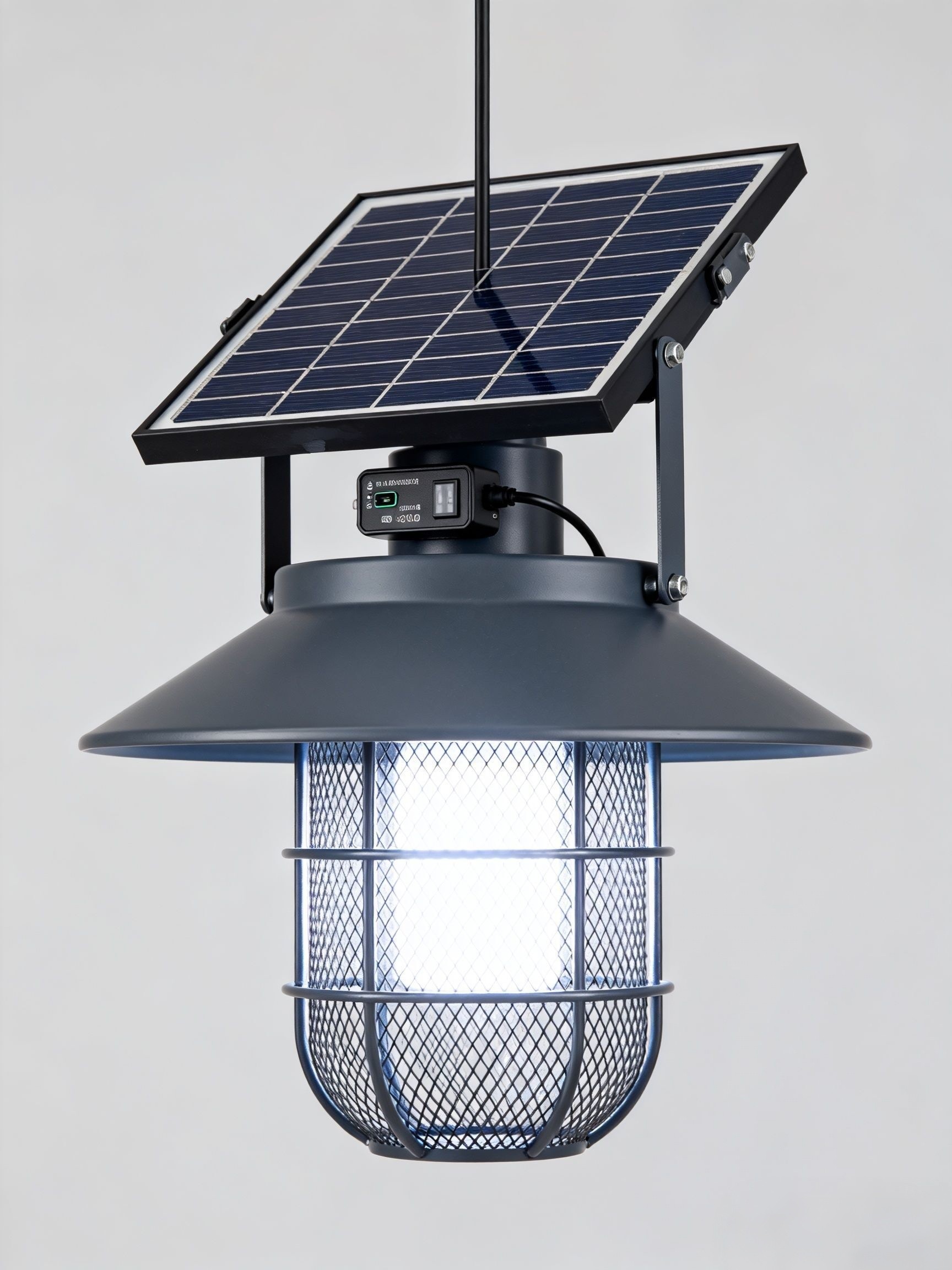
At their heart, solar lights consist of four key components: a solar panel, a rechargeable battery, LED bulbs, and a light sensor (photocell). During daylight hours, the solar panel converts sunlight into direct current (DC) electricity, which charges the built-in battery (typically lithium-ion, the most efficient option in 2025). As dusk falls, the light sensor triggers the battery to release stored energy as alternating current (AC) to power the LED bulbs. Most modern models also include a timer or motion sensor for added control. Advanced 2025 models feature monocrystalline solar panels with 23-25% efficiency—up from 18-20% just five years ago—meaning they charge faster even on cloudy days.
2. Why Solar Lights Beat Traditional Wired Lights
- Zero Energy Costs: Once installed, solar lights run entirely on free sunlight—saving the average homeowner $50-$150 annually on outdoor lighting bills, according to 2025 Energy Star data.
- Wire-Free Installation: No digging trenches, hiring electricians, or drilling through walls. Most models stake into the ground or mount with screws in 10 minutes or less.
- Eco-Friendly: Reduces carbon footprint by replacing grid electricity—one 10-watt solar light offsets 120+ pounds of CO2 per year.
- Weather Resilience: 2025 models boast IP65-IP67 waterproof ratings, with anti-corrosion aluminum casings that withstand snow, rain, and extreme temperatures (-4°F to 122°F).
- Versatility: Perfect for remote areas without outlets (like backyard gardens or rural driveways) and easy to relocate for seasonal decor.
II. Key Types of Solar Lights: Match to Your Needs
Not all solar lights are created equal—each type is designed for specific purposes, from guiding foot traffic to enhancing security. Choosing the right style ensures optimal performance and value. Here are the most popular 2025 options:
1. Solar Pathway Lights: For Safety & Curb Appeal
The most common solar light type, pathway lights are low-profile fixtures that line walkways, driveways, and garden beds—providing subtle illumination while boosting curb appeal.
- Key Features: 30-100 lumens (soft to moderate glow); 4-12 inch height; stainless steel or aluminum bodies; warm white (2700K) or cool white (5000K) LEDs; 8-12 hour runtime.
- 2025 Innovations: Some models include color-changing RGB LEDs (controlled via app) and auto-dimming for energy savings.
- Best For: Front walkways, garden paths, poolside edges. Top brands: Brightown (budget-friendly), Govee (smart features), Philips (durability).
2. Solar Security Lights: For Protection & Brightness
Engineered for high performance, security lights deliver bright, wide-beam illumination to deter intruders and light up large areas like yards or garages.
- Key Features: 500-3000 lumens (very bright); motion sensors (10-30 foot detection range); 180-360° coverage; IP67 waterproof; 10-14 hour runtime with motion activation.
- 2025 Innovations: Dual sensors (motion + daylight) to avoid false triggers, and smartphone alerts when motion is detected.
- Best For: Backyards, garage doors, entryways. Top brands: Ring (smart home integration), RAB Lighting (commercial-grade), LEPOWER (affordable high-lumen).
3. Solar Garden Lights: For Decor & Ambiance
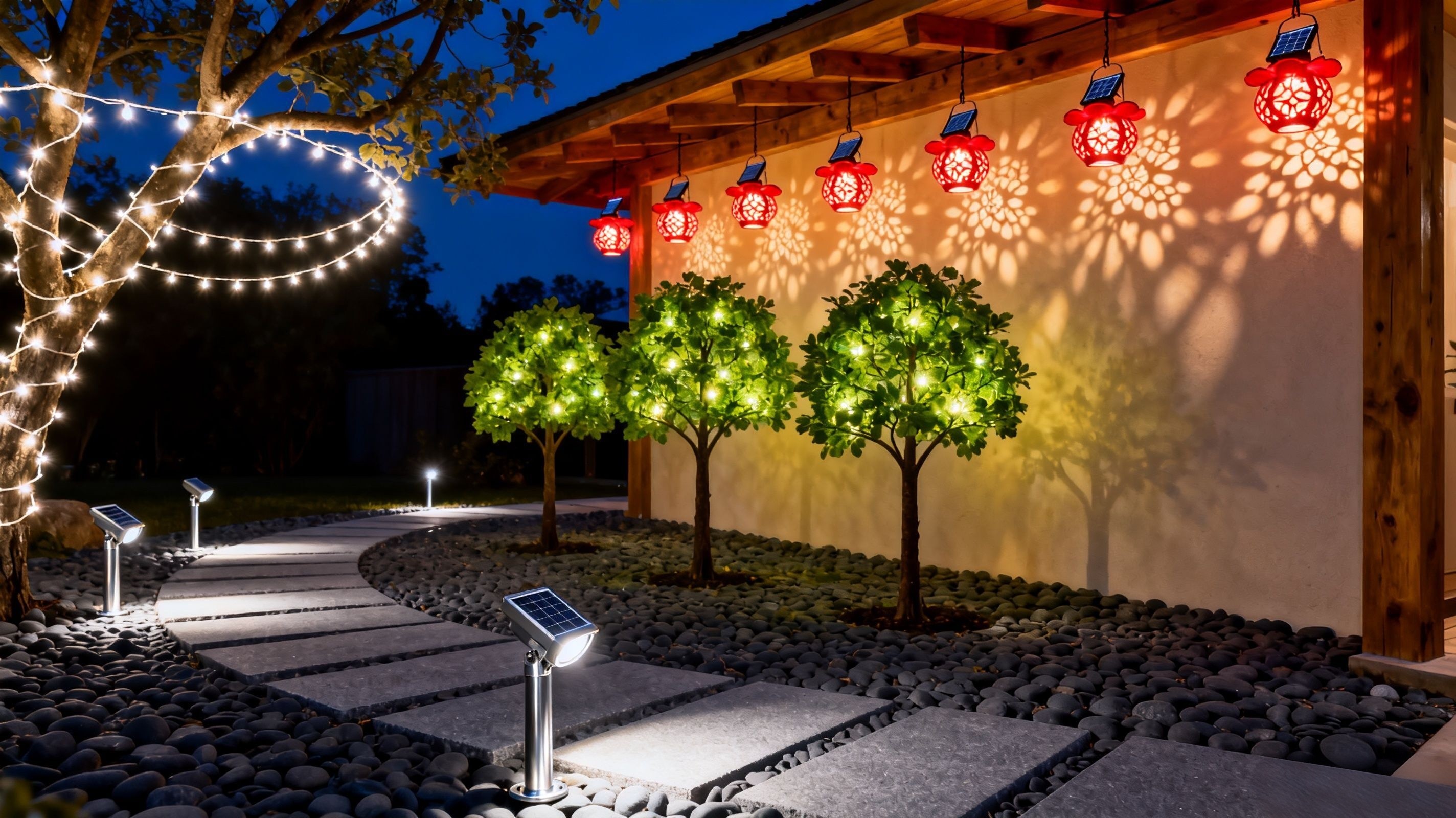
Decorative and functional, garden lights enhance flower beds, trees, and patio spaces—adding a magical glow to outdoor gatherings.
- Key Features: 20-80 lumens; various designs (stake, hanging, floating); materials like glass or weatherproof plastic; warm white or multicolor LEDs; 6-10 hour runtime.
- Popular Styles: Solar lanterns (patio tables), solar string lights (pergolas), floating solar lights (ponds), and solar spotlights (highlighting trees/statues).
- Best For: Flower gardens, patios, ponds, and outdoor dining areas. Top brands: Martha Stewart (elegant designs), Hampton Bay (garden-specific), InnoGear (spotlights).
4. Solar String Lights: For Festive & Flexible Decor
A 2025 fan favorite, solar string lights offer wire-free festive lighting for holidays, parties, or year-round patio ambiance.
- Key Features: 10-50 foot lengths; 50-100 bulbs per string; bulb styles (fairy, Edison, globe); IP65 waterproof; 8-10 hour runtime; steady or twinkle modes.
- 2025 Innovations: Solar-powered curtain lights for walls/fences and app-controlled color changing.
- Best For: Pergolas, patios, holiday decor, and backyard parties. Top brands: Twinkle Star (budget), Globe Electric (Edison bulbs), Govee (RGB smart strings).
5. Solar Indoor Lights: For Sustainable Interior Glow
A growing category in 2025, indoor solar lights use smaller panels (placed near windows) to power table lamps, wall sconces, and accent lights—ideal for renters or eco-conscious homeowners.
- Key Features: 10-50 lumens; compact solar panels (6-12 inches); rechargeable lithium-ion batteries; warm white LEDs; 6-8 hour runtime.
- Best For: Window sills, bookshelves, and entryways. Top brand: EcoGeek (sleek designs), SunPower (high-efficiency panels).
III. 2025 Solar Lights Buying Guide: 9 Pro Tips
With hundreds of solar light options on the market, avoiding common mistakes (like choosing dim bulbs or short-lived batteries) requires knowing what to look for. Use these expert tips to find your perfect set:
1. Lumens: Match Brightness to Purpose
Lumens measure light output—choose based on your needs to avoid wasting money on unnecessary brightness:
- 20-100 Lumens: Pathways, garden accents, and indoor lights (subtle glow).
- 100-500 Lumens: Patio lighting, small yards, and decorative string lights (moderate glow).
- 500+ Lumens: Security lights, large yards, and garage areas (bright, wide coverage).
2. Battery Capacity: Prioritize Lithium-Ion
Battery quality determines runtime and lifespan—never skimp here:
- Battery Type: Lithium-ion (Li-ion) is mandatory in 2025—they last 3-5 years (vs. 1-2 years for NiMH) and perform better in cold weather.
- Capacity: Look for 600mAh-2000mAh for pathway/garden lights; 2000mAh-5000mAh for security lights (higher = longer runtime).
- Replaceability: Choose models with replaceable batteries—extends the light’s life by 2-3 years.
3. Solar Panel Efficiency: Go Monocrystalline
Panel type affects charging speed and performance in low light:
- Monocrystalline: Best (23-25% efficiency) — charges fast on cloudy days; ideal for northern climates. Most 2025 premium models use this.
- Polycrystalline: Good (15-18% efficiency) — more affordable; works well in sunny southern climates.
- Amorphous: Lowest (10-12% efficiency) — avoid unless on a tight budget.
4. Waterproof Rating: IP65+ for Outdoor Use
Outdoor solar lights must withstand the elements—check the IP (Ingress Protection) rating:
- IP65: Rain and dust-resistant — perfect for pathways, patios, and covered areas.
- IP67: Submersible in 1m of water for 30 minutes — ideal for poolside, ponds, and snowy climates.
- IP44: Only for indoor or fully covered outdoor spaces (avoid for open yards).
5. Material: Durability Matters
Choose weather-resistant materials for long-lasting performance:
- Aluminum/Stainless Steel: Best for outdoor use — resists rust and corrosion (most security/pathway lights).
- Weatherproof Plastic: Affordable option — look for UV-resistant plastic to avoid fading (garden/decorative lights).
- Glass: Elegant for lanterns — choose tempered glass for durability.
6. Sensors & Modes: Add Functionality
Advanced features enhance convenience and energy savings:
- Motion Sensors: Essential for security lights — look for 10-30 foot detection range and adjustable sensitivity.
- Photocell Sensors: Standard on all quality models — auto-turns on at dusk, off at dawn.
- Light Modes: Steady, twinkle, or dim modes (great for string/garden lights) — app-controlled modes are a 2025 trend.
7. Runtime: Aim for 8+ Hours
Check the manufacturer’s runtime claim (based on full charge):
- Pathway/Garden Lights: 8-12 hours (enough for overnight illumination).
- Security Lights: 10-14 hours (with motion activation — constant-on mode may reduce runtime to 4-6 hours).
- String Lights: 8-10 hours (perfect for evening gatherings).
8. Smart Features: 2025 Must-Haves
For tech-savvy users, smart solar lights offer next-level control:
- App Control: Adjust brightness, change colors, and set timers via smartphone (Govee, Ring models).
- Smart Home Integration: Sync with Alexa/Google Home for voice control (Ring, Philips Hue).
- Motion Alerts: Receive phone notifications when security lights detect motion (Ring, Arlo).
9. Trust Reputable Brands (Avoid Cheap Knockoffs)
Budget solar lights ($10-$15 per set) often have weak panels, short-lived batteries, and dim bulbs. Invest in trusted brands for 3-5 year lifespan:
- Brightown: Budget-friendly pathway/garden lights (IP65, Li-ion batteries).
- Govee: Smart solar lights (RGB, app control, color-changing).
- Ring: Solar security lights (smart home integration, motion alerts).
- Philips: Durable outdoor/indoor solar lights (high-efficiency panels).
IV. Step-by-Step Installation Guide (15 Minutes or Less)
Solar lights are DIY-friendly—no electrician needed. Follow these steps for perfect placement and performance:
1. Tools You’ll Need
- Solar lights (tested before installation)
- Shovel or stake driver (for pathway lights)
- Drill and screws (for wall-mounted security lights)
- Tape measure (for spacing pathway lights)
- Level (for wall-mounted fixtures)
2. Pathway/Garden Light Installation
- Choose the Right Spot: Install in direct sunlight (6+ hours daily) — avoid shade from trees/buildings. Space pathway lights 3-5 feet apart for even coverage.
- Prepare the Ground: For stake lights, use a shovel to loosen soil or a stake driver to push the stake 2-3 inches into the ground (ensure it’s level).
- Activate the Light: Flip the on/off switch (usually on the battery compartment) — most models have a “test” mode to confirm functionality.
- Adjust Position: Tilt solar panels toward the sun (south-facing in the Northern Hemisphere) for maximum charging.
3. Security Light Installation
- Mount the Fixture: Choose a height of 8-10 feet (for optimal motion detection) on a wall or eave. Use a level to mark screw holes, drill pilot holes, and attach the fixture with screws.
- Position the Solar Panel: If the panel is separate, mount it within 10 feet of the light in direct sunlight. Use included brackets to secure it.
- Adjust Sensors: Set motion detection range (10-30 feet) and duration (10-60 seconds) using the dials on the fixture.
- Test It: Walk in front of the sensor after dark to confirm the light turns on.
4. String Light Installation
- Hang the Panels: Mount the solar panel in direct sunlight (use clips or stakes) — ensure it’s within 15 feet of the string lights (most have 10-15 foot cords).
- Hang the Lights: Use outdoor-rated hooks, clips, or zip ties to attach string lights to pergolas, fences, or trees. Avoid stretching the lights too tight (prevents damage).
- Test the Modes: Use the remote or app to switch between steady/twinkle modes and confirm all bulbs work.
Safety Note: For wall-mounted security lights, use a sturdy ladder and have a helper spot you. Avoid installing near sprinklers (excess water can damage connections). Charge new solar lights in direct sunlight for 24 hours before first use.
V. Maintenance Tips: Make Your Solar Lights Last 5+ Years
With minimal care, high-quality solar lights can last 3-5 years (batteries) and 5-10 years (fixtures). Follow these steps to maximize lifespan:
1. Regular Cleaning (Most Important!)
Dirty solar panels reduce charging efficiency by 30-50%:
- Wipe panels with a damp cloth every 2-4 weeks to remove dust, dirt, and bird droppings.
- For stubborn grime, use a mild soap solution (avoid harsh chemicals).
- In snowy climates, brush snow off panels with a soft broom (never use a metal shovel).
2. Battery Maintenance
- Replace lithium-ion batteries every 3-5 years (look for swelling or reduced runtime as signs).
- Store extra batteries in a cool, dry place (extreme heat/cold shortens lifespan).
- For winter storage (if not in use), remove batteries and store them indoors.
3. Fixture Care
- Check for loose wires or damaged casings annually — repair with electrical tape (outdoor-rated) if needed.
- Wipe down fixtures with a damp cloth to remove dirt and prevent corrosion.
- Trim overgrown plants that block sunlight to the solar panel.
4. Troubleshooting Common Issues
- Dim Light/Short Runtime: Clean the solar panel; replace old batteries; ensure the panel gets 6+ hours of sunlight.
- Light Won’t Turn On: Check the on/off switch; test the battery (replace if dead); ensure the light sensor isn’t covered.
- Motion Sensor Not Working: Adjust sensitivity dial; clean the sensor lens; ensure the fixture is mounted at the correct height.
VI. FAQ: Your Solar Lights Questions Answered
- Q: Do solar lights work in winter?A: Yes! 2025 models with lithium-ion batteries and anti-snow panels work in temperatures as low as -4°F. Angle panels south for maximum sun exposure.
- Q: How long do solar lights take to charge?A: 4-6 hours in direct sunlight (monocrystalline panels) or 6-8 hours (polycrystalline panels). Cloudy days add 2-3 hours.
- Q: Can solar lights be used indoors?A: Yes — use indoor solar lights with small panels placed near sunny windows. Avoid using outdoor solar lights indoors (they’re too bright).
- Q: Are solar lights bright enough for security?A: Yes — choose 500+ lumen models with motion sensors. 1000-3000 lumen models are comparable to wired security lights.
- Q: How much do solar lights cost?A: Pathway lights: $15-$30 per set; security lights: $30-$100; string lights: $20-$50; indoor lights: $25-$50.
- Q: Do solar lights need direct sunlight, or will they charge in shade?A: They charge best in direct sunlight, but 2025 monocrystalline panels can charge in partial shade (runtime will be shorter).