Optical fiber distribution frame: The “Transportation Hub” of the Network World
Every time we open our mobile phones to watch videos, take online classes on computers, or hold video conferences in the company, there is actually an invisible “network” supporting all of this behind the scenes. One of the core nodes of this network is the optical fiber distribution frame we are going to talk about today.
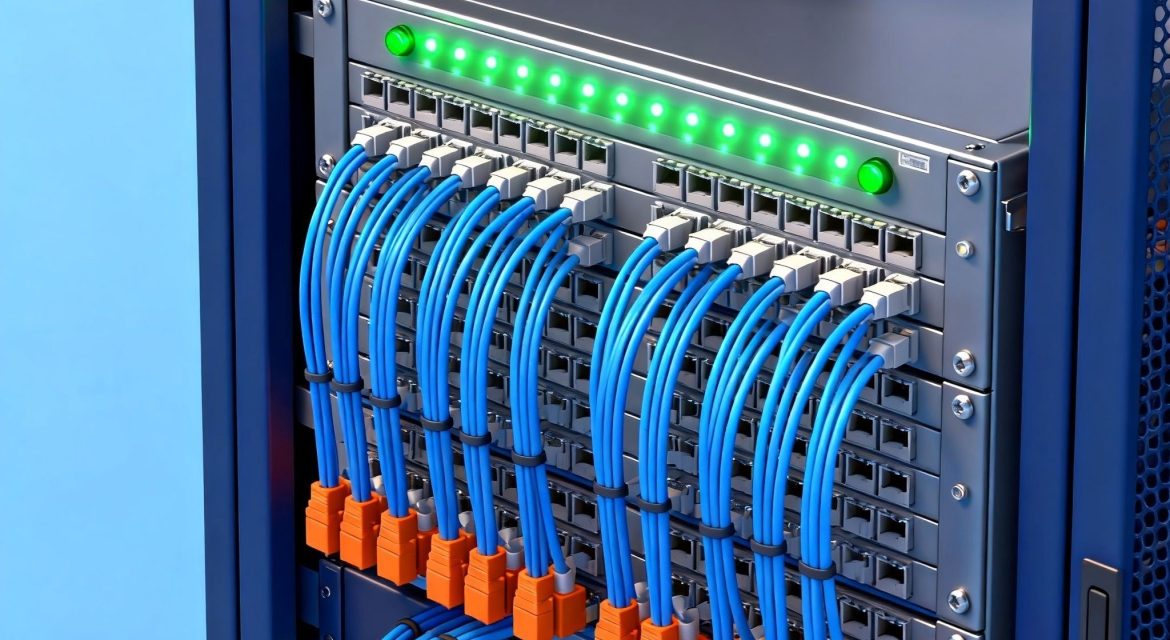
You might think it sounds quite professional, but in fact, it’s just like the electricity meter box or network router in our homes, only larger in scale and more precise. In simple terms, the optical fiber distribution frame is the “traffic police” in the optical fiber communication system, responsible for orderly connecting, distributing and managing optical fiber lines from different directions. Without it, those optical fibers as thin as hair might be in a mess, and signal transmission would become inefficient or even interrupted.
The core functions of optical fiber distribution frames can be summarized by three key words: connection, protection and expansion. First of all, it serves as a bridge between the main optical fiber and the optical fiber at the user end, ensuring that the optical signal can be transmitted accurately and without error. Secondly, it is like a sturdy “home”, protecting the fragile optical fiber connectors from dust, bending or external force damage. Finally, it also reserves expansion space to facilitate the easy addition of new lines during future network upgrades.
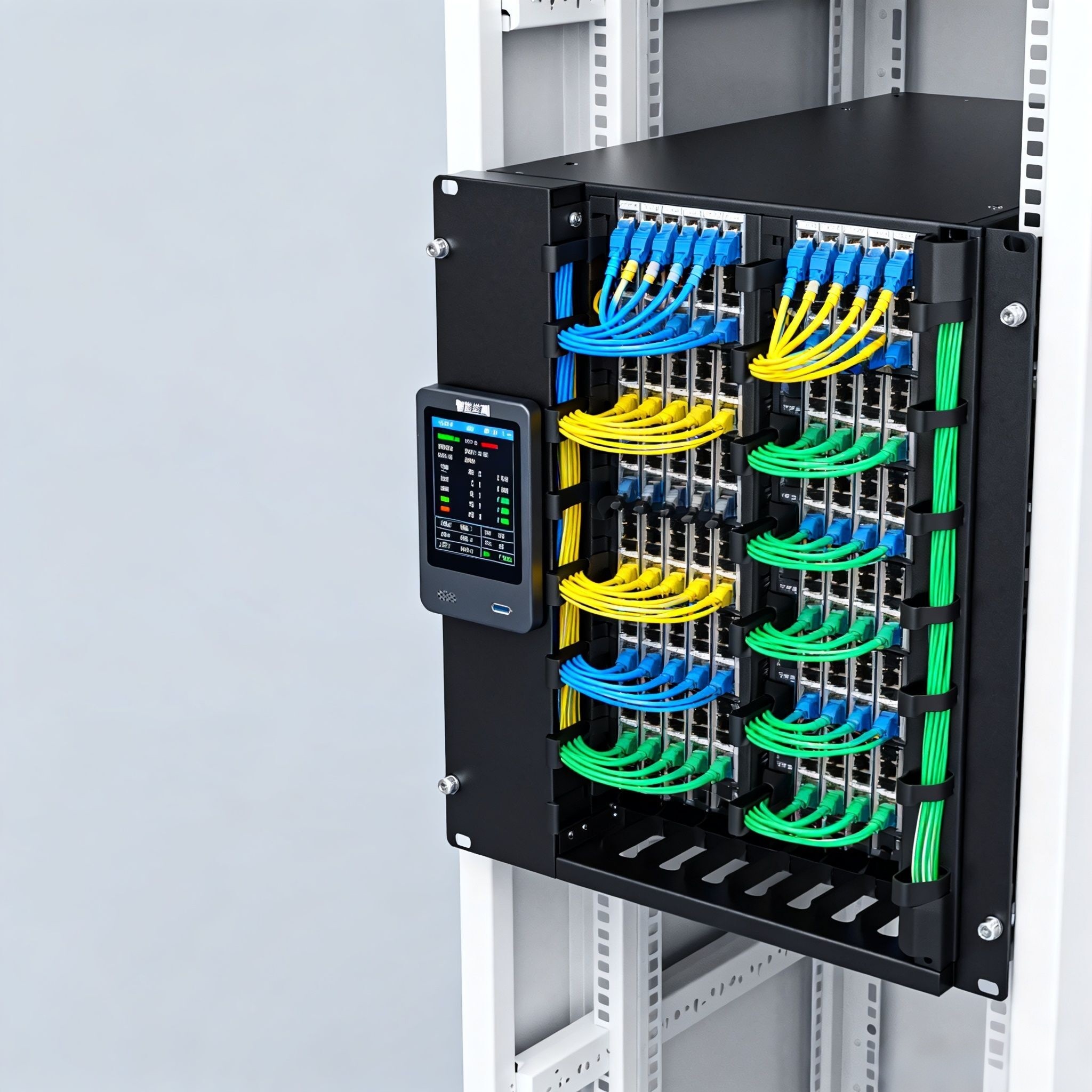
Although it is usually hidden in the computer room and unremarkable, the design of the optical fiber distribution frame is actually full of ingenuity. For instance, its internal structure must ensure that the bending radius of the optical fiber is not too small; otherwise, the optical signal will attenuate. The label system should be clear and straightforward; otherwise, maintenance personnel will have to search for lines like headless flies. The material also needs to be fireproof and corrosion-resistant. After all, it may be used for over a decade.
With the popularization of 5G, the Internet of Things and cloud computing, optical fiber distribution frames are also constantly evolving. Nowadays, intelligent patch panels can monitor the status of each optical fiber in real time through sensors and even remotely control the connection. This means that in the future, our network will be more stable and flexible – the number of times you lag when watching 4K movies at home may be greatly reduced.
Ultimately, the optical fiber distribution frame is a kind of technical product that “makes silent contributions”. It does not directly face consumers, but it is one of the cornerstones supporting the digital world. The next time you enjoy high-speed Internet, think about these “unsung heroes” working behind the scenes – it is their precise collaboration that makes our digital life so smooth.